
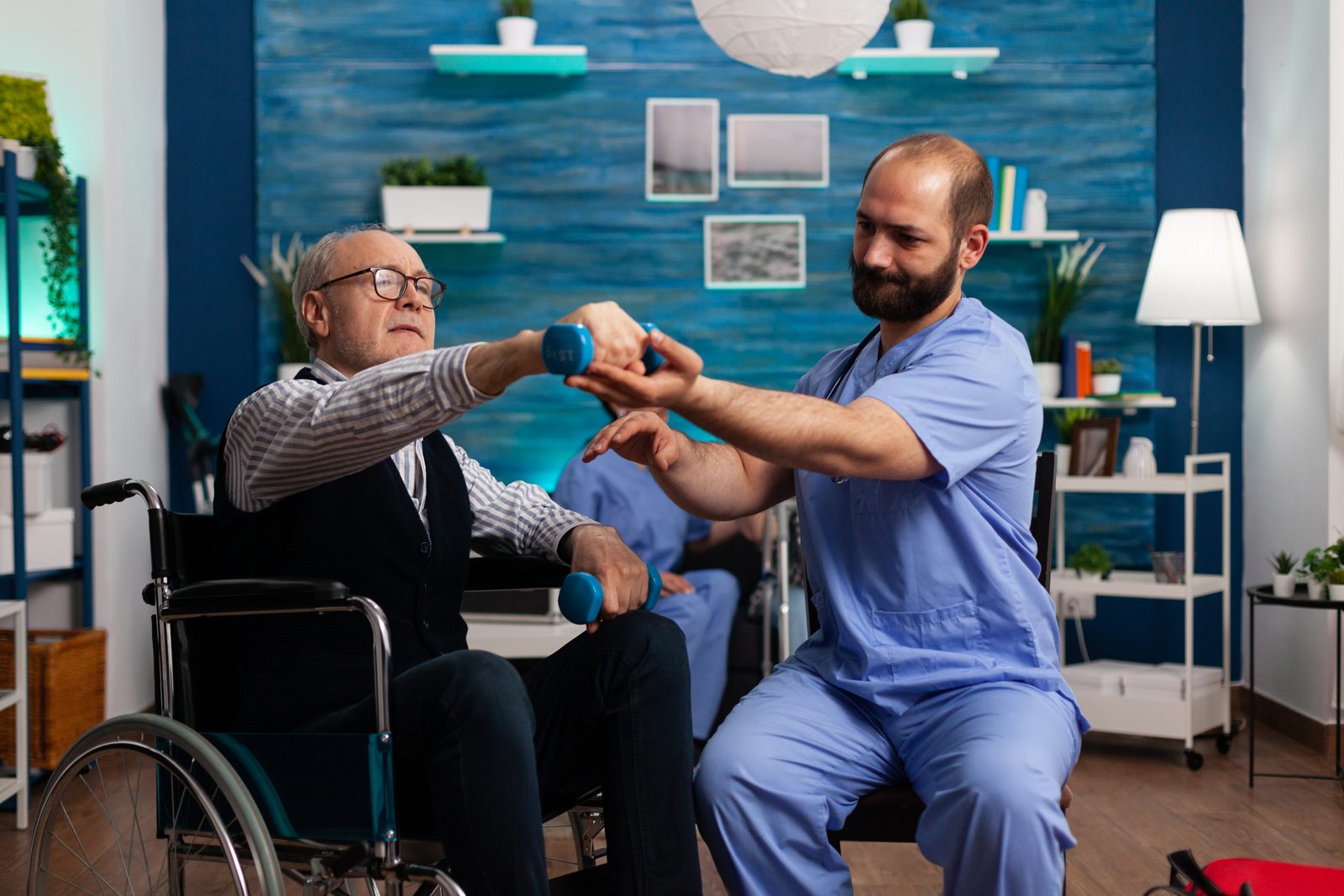
The Role of Magnetic Stimulation in Stroke Rehabilitation: When It...

The patient is connected to fine sensors on the scalp to measure brain waves, then visual or audio signals are sent that let the person see their brain activity in real time.
When the brain works in a balanced way, positive signals are sent to it, so it gradually learns how to keep this balance by itself — just like learning to ride a bicycle.
Treating poor concentration and hyperactivity (ADHD): effective for children and adults alike.
Improving sleep quality: helps calm the excessive nerve activity that causes insomnia.
Reducing anxiety and stress: by training the brain to relax naturally.
Raising mental performance: used by executives and athletes to improve concentration and mental speed.
It varies by case, but a patient usually needs 20–40 sessions, at two to three a week.
Noticeable improvement usually starts after the sixth or seventh session. These pulses work to activate weak nerve cells and improve neural communication between different areas of the brain, without pain or any surgical intervention.
Yes, it is completely non-surgical and does not rely on any medication or electrical stimulation.
Training is done through gentle audio or visual signals that help the brain restore the natural balance of its functions.
Today, centers in Cairo and Alexandria offer Neurofeedback sessions with the latest internationally approved devices, as an effective and safe option for improving neurological performance and daily life.
Neurofeedback is real neural training that gives the brain a chance to regain its natural abilities.
Imagine being able to improve your concentration, sleep and mood without medication — this is exactly what this modern neurological treatment offers.

The Role of Magnetic Stimulation in Stroke Rehabilitation: When It...

Hand Numbness While Sleeping: Is It a Pinched Nerve or...

Why Does a Stroke Patient’s Improvement Stop After a While,...