August 27, 2026/
The Role of Magnetic Stimulation in Stroke Rehabilitation: When It...

“Is it electricity?”
The patient came into the clinic with obvious worry. He had heard about magnetic stimulation, but the name made him imagine painful sessions or electric shocks he could not bear. He asked hesitantly: “Is magnetic stimulation painful? And is it suitable for my condition?”
This question is repeated often, not because patients refuse treatment, but because they want to understand what will happen, what the sessions are for, and whether they are safe and suitable for them. And the truth is that understanding the treatment is the first step to reassurance.
Magnetic stimulation is a medical and rehabilitation technique that relies on focused magnetic pulses to stimulate certain areas of the nervous system or the muscles, depending on the patient’s condition and the treatment goal.
Put more simply: the device does not work like conventional therapeutic electricity, which relies on a direct electric current on the skin, but uses a magnetic field that helps stimulate the nerves or neural pathways in a measured way. So magnetic stimulation is not “painful electricity” as some imagine, but a therapeutic means that may be used within an integrated rehabilitation plan, when the doctor sees that it suits the case.
In most cases, the session is not painful. The patient may feel light pulses, or a sensation like gentle tapping at the targeted spot, and sometimes a slight muscle contraction may occur depending on the type and intensity of the session.
But what matters most is that the intensity of the session is not random. It is adjusted according to the patient’s condition, their tolerance, and the goal of the treatment. This is what makes the medical assessment before starting sessions essential, because every patient is different from the next, even if the symptoms are similar.
The nervous system in the body is like a network of delicate messages. The brain sends the signals, the nerves carry them, and the muscles respond to them. When a problem such as a stroke, a nerve injury, weak movement, or some kinds of chronic pain occurs, there may be a disturbance in these messages or in the body’s response to them.
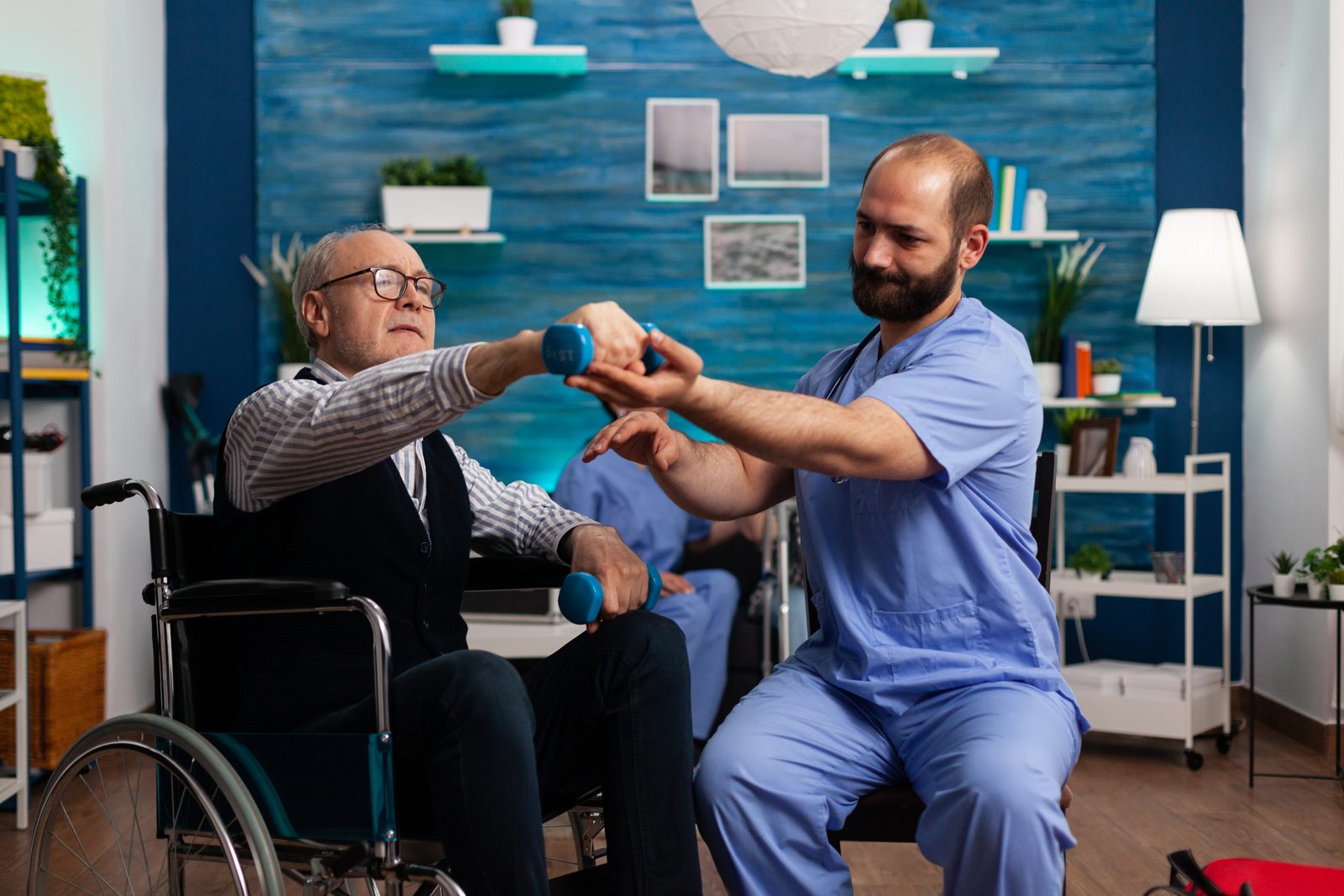
Here magnetic stimulation may help as a supportive means to activate some neural pathways, or to improve the body’s readiness to respond to rehabilitation, but on an important condition: magnetic stimulation is not a substitute for rehabilitation. It is part of a plan that may include therapeutic exercises, movement training, improving balance, pain treatment, muscle strengthening, and training the patient to carry out daily activities better.
The real aim is not just to do a session, but for the treatment to be reflected in the patient’s life: to walk more steadily, or use their hand better, or have less pain and stiffness, or improve their ability to move according to their condition.
Magnetic stimulation may enter the treatment or rehabilitation plan in some cases, such as:
But it is important to stress that this technique does not suit all cases. And a patient should not decide to start it just because they heard about it or because it helped someone else. In medicine, similar symptoms do not mean similar treatment.
Sometimes the patient expects the device alone to solve the problem. But in rehabilitation, real improvement often needs more than one means. If the patient suffers from poor walking, they need walking and balance training. If they suffer from a weak hand, they need functional training. And if they suffer from chronic pain, the matter needs understanding the cause of the pain, correcting movement, and strengthening the muscles when needed.
So magnetic stimulation is more useful when it is part of a clear treatment plan, and not a separate procedure with no specific aim.
It is preferable to consult a doctor specializing in physical medicine and rehabilitation if the patient suffers from:
An assessment does not necessarily mean the case is serious, but it helps understand the cause and choose the right plan instead of random trial.
At Dr. Shereen Fawaz’s clinic, neurological and motor rehabilitation cases and musculoskeletal pain are handled through a careful assessment and a plan suited to each patient. Dr. Shereen Fawaz has expertise in physical medicine, rheumatology and rehabilitation, and in the rehabilitation of neurological and movement disorders, as well as experience in the field of magnetic stimulation. She is one of the pioneers of this field in Egypt and the founder of the first center specializing in magnetic stimulation and rehabilitation in Egypt.
But the basis is always that treatment is not one system for all patients. Every case has its own assessment, needs, and realistic goals.
Magnetic stimulation is not painful electricity, and it is not a magic treatment that suits everyone. It is a medical and rehabilitation means that may help in some cases when used correctly, within an integrated treatment plan, and after a specialist medical assessment.
If you suffer from weak movement, persistent pain, stiffness, numbness, or a neurological or motor problem that affects your daily life, early assessment may be an important step to understand your condition and determine the most suitable treatment for you.
Book your appointment at Dr. Shereen Fawaz’s clinic, and start a treatment and rehabilitation plan suited to your condition.
The Role of Magnetic Stimulation in Stroke Rehabilitation: When It...
Hand Numbness While Sleeping: Is It a Pinched Nerve or...

Why Does a Stroke Patient’s Improvement Stop After a While,...
If you or a family member has weak movement, difficulty walking, muscle stiffness, or slow improvement after a stroke or nerve injury, you can book a specialist assessment with Dr. Shereen Fawaz to find out whether magnetic stimulation is suitable for the case, and to set a rehabilitation plan based on the medical and functional assessment.