
Is TMS Electric Shock Therapy? The Difference Between Magnetic Stimulation and Electroconvulsive Therapy
When some patients hear about using TMS magnetic stimulation to treat depression, their first question is: Is TMS the same as electric shock sessions?
This concern is understandable, because both methods are used to stimulate activity in areas of the brain. But they are not the same procedure, and there are clear differences between them.
What is transcranial magnetic stimulation (TMS)?
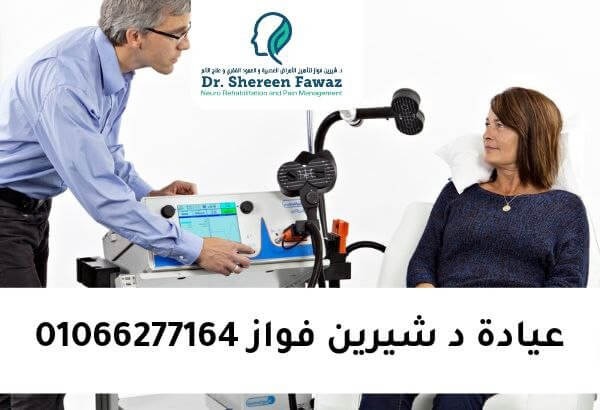
Transcranial magnetic stimulation, or TMS – Transcranial Magnetic Stimulation, is a non-invasive procedure based on placing an electromagnetic coil near the scalp.
This coil sends repeated magnetic pulses that target a specific area of the brain. The pulses create small electrical currents inside the targeted area, which helps stimulate the nerve cells and circuits linked to the condition being treated.
In some protocols for treating depression, the stimulation targets areas in the front part of the brain linked to regulating mood, attention and emotional response.
The patient usually stays awake during a TMS session, and the procedure does not need general anesthesia. The stimulation is also directed at a specific area, and is not a general stimulation of the brain.
Is TMS electric shock therapy?
No, TMS is not electroconvulsive therapy (ECT).
But it is important to use accurate scientific wording when explaining the difference.
A TMS device does not pass a direct electric current through electrodes placed on the head. It uses a rapidly changing magnetic field to create small electrical currents inside a specific area of the brain.
In electroconvulsive therapy (ECT), a measured electric current is passed through electrodes placed on the head to induce a controlled therapeutic seizure under general anesthesia.
So the difference can be summarized in this sentence: TMS uses magnetic pulses directed at a specific area, while ECT uses an electric current to induce a controlled therapeutic seizure under anesthesia.
What is electroconvulsive therapy (ECT)?
Electroconvulsive therapy, or ECT – Electroconvulsive Therapy, is a medical procedure used to treat some severe psychiatric disorders.
Before the procedure, the patient receives a short-acting general anesthetic and a medication that helps relax the muscles. Then electrodes are placed at specific places on the head, and a measured electric current is passed to induce a short, controlled therapeutic seizure in the brain.
The medical team may consider ECT when depression is severe, when other treatments have not produced a sufficient response, or when the patient needs a rapid response because of serious risk, such as suicidal thoughts, catatonia, or dangerous refusal of food.
ECT should not be viewed through the frightening image presented by some old dramas; it is a regulated medical procedure performed under anesthesia and monitoring, and it has uses that differ from those of TMS.
What is the difference between TMS and ECT?
1. Method of stimulation: TMS uses a magnetic coil, ECT uses an electric current.
2. Anesthesia: TMS does not need general anesthesia, ECT is performed under general anesthesia.
3. Nature of stimulation: TMS is directed at a specific area, ECT acts more broadly.
4. Place of the procedure: TMS in the outpatient clinic, ECT needs anesthesia facilities.
5. Cases: TMS for selected cases of depression, ECT for severe or treatment-resistant cases.
Which is better for treating depression: TMS or ECT?
This cannot be answered in one word, because choosing a treatment does not depend only on the name of the technique.
TMS may be suitable for one case, while ECT is more appropriate for another. And neither may be the right step for a third patient, who instead needs an adjustment of medication, psychotherapy, or a review of the diagnosis.
The decision depends on several factors, including:
- The accuracy of the depression diagnosis
- The severity of symptoms
- The effect of the condition on the patient’s life
- The presence of risk to the patient
- Treatments tried previously
- The degree of response to medication and psychotherapy
- The medical and neurological history
- The ability to undergo anesthesia
- The expected benefits and risks of each option
The National Institute of Mental Health indicates that the therapeutic effect of ECT may be stronger in some cases of severe depression, while TMS provides more targeted stimulation and does not usually need anesthesia. So the newer technique should not automatically be considered better; what suits the patient’s condition should be chosen.
Is TMS suitable for all patients with depression?
No, TMS is not suitable for everyone who feels sad or anxious, and it is not chosen simply because the patient did not feel better quickly.
The doctor first needs to confirm the diagnosis, and review the severity of symptoms, medications and previous treatments, general health, and any factors that may affect the safety of using the technique.
The expected benefits, risks and alternatives must also be discussed with the patient before the decision is made. NICE guidance explains that the benefit of TMS varies from person to person, and that explaining the procedure, its benefits and its risks to the patient must come before starting treatment.
Frequently asked questions
Does TMS pass electricity directly into the head? No, it uses a magnetic field to create small electrical currents.
Does TMS need anesthesia? No, the patient stays awake.
Does ECT need anesthesia? Yes, it is performed under short general anesthesia.
Is ECT an old and dangerous treatment? ECT is a medical treatment with a long history in treating some severe psychiatric conditions, and the way it is performed has developed considerably. It is now performed under anesthesia and medical monitoring, and its benefits and possible side effects must be discussed with the patient.
Can TMS be chosen instead of ECT? The decision is not made on the patient’s wish alone or fear of the name of the procedure. The severity of the condition, the aim of treatment and the speed of response required may differ, so the medical team determines the most suitable option after assessment.
Don't start from the device... start by understanding your condition
You can book with Dr. Shereen Fawaz for a medical assessment, a review of the treatment history, and to find out whether TMS magnetic stimulation can be a suitable part of the treatment plan.
To book or enquire:
📲 01030020829
📲 0224153602
📍 6 Kolleyet El Banat Project, behind Air Defense House, Nasr City, Cairo, Egypt
Related posts
- All Posts
- Uncategorized



Book a specialist assessment
If you or a family member has weak movement, difficulty walking, muscle stiffness, or slow improvement after a stroke or nerve injury, you can book a specialist assessment with Dr. Shereen Fawaz to find out whether magnetic stimulation is suitable for the case, and to set a rehabilitation plan based on the medical and functional assessment.