
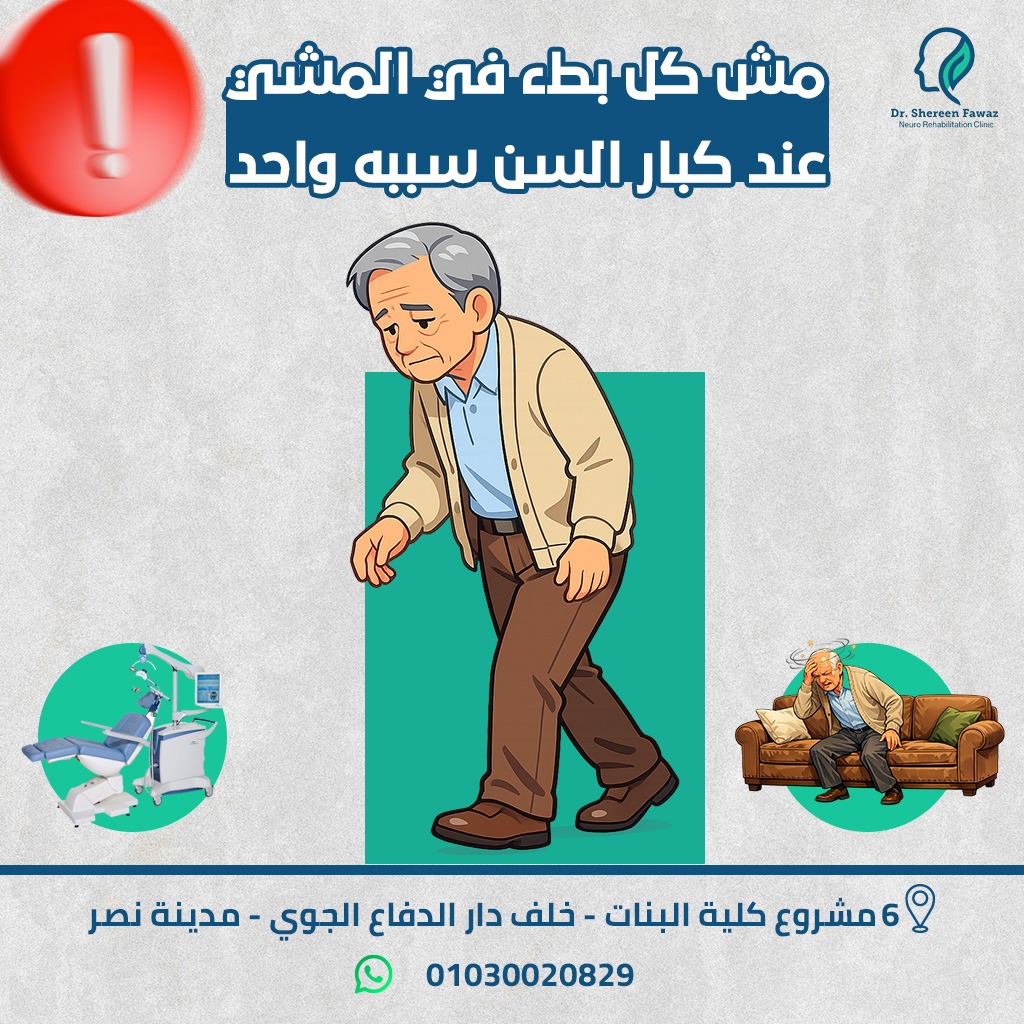
Not every slowness in walking in older people has one cause... and not every "Parkinson's" is the same type
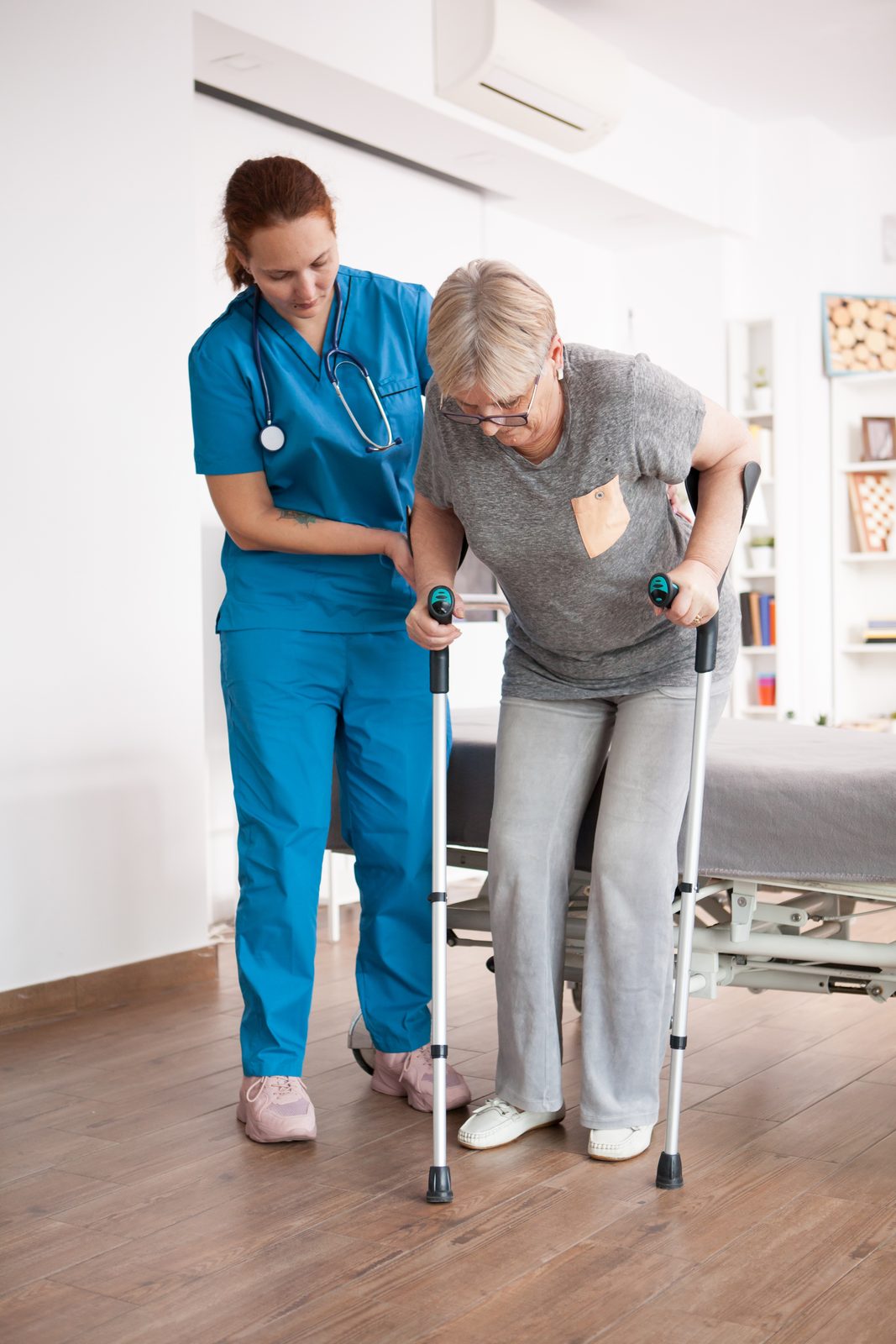
Sometimes we notice that an older person has started to walk slowly, their steps have become shorter, they hesitate before moving, or their whole body seems slower than before, and they are afraid of falling.
Other signs may also appear, such as reduced facial expression, less arm movement while walking, a tremor in the hand, difficulty getting up from a chair, or problems with concentration and mood.
Do all these cases have one cause?
The truth is no.
Some forms of parkinsonism, or problems with walking and slowness of movement, may have more than one cause. Among the most important are two types that must be told apart in a simple way, because their symptoms are similar.
Type one: primary Parkinson's disease
Known medically as Idiopathic Parkinson’s Disease.
This type can sometimes begin at a relatively younger age, even from the forties or fifties, and may appear as gradual slowness of movement, hand tremor, reduced facial expression, stiffness, less arm movement while walking, and difficulty doing daily activities.
Medication often plays an important role in this type, especially in the early stages, but over time the patient may need dose adjustments or other medications added depending on the response.
Type two: Parkinson-like symptoms caused by problems in the brain's blood vessels
Known as Vascular Parkinsonism.
This may appear more at an older age, and may be linked to small strokes or insufficient circulation in the brain. It is often clearer in walking, balance and slowness of movement, and may be accompanied by problems with concentration or mood.
Here an accurate diagnosis is very important, because handling each type is different.
The role of magnetic stimulation of the brain
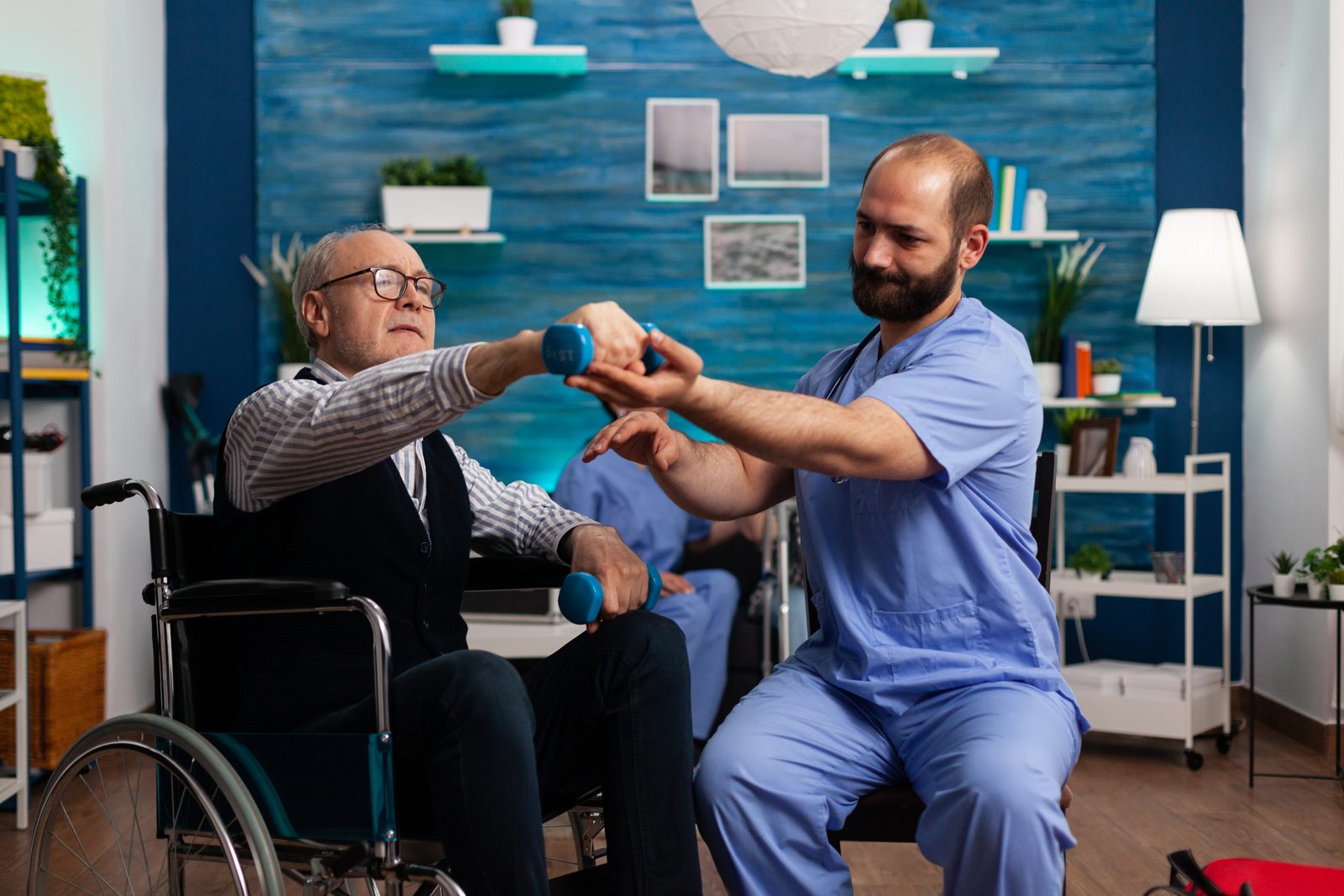
Some cases need medication to varying degrees, and some need more focus on motor rehabilitation, walking and balance training, and stimulating certain pathways in the brain to improve motor and functional performance.
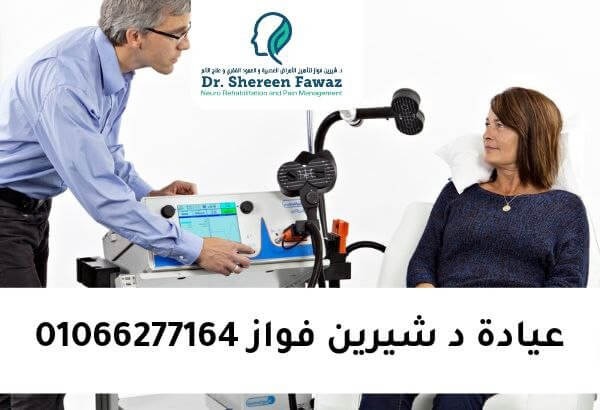
This is where magnetic stimulation of the brain comes in.
Magnetic stimulation is not a random substitute for medication or rehabilitation, but it may be an important tool within an integrated treatment plan, especially in some cases, depending on the doctor’s assessment, such as slowness of movement, walking disorder, poor balance, or accompanying psychological symptoms such as depression or poor concentration.
In some cases of Vascular Parkinsonism, especially if discovered early or in non-advanced stages, combining motor rehabilitation with magnetic stimulation may help improve walking, speed of balance, and the ability to do daily activities better.
And in cases of Idiopathic Parkinson’s Disease, magnetic stimulation may be a supportive factor alongside medication and rehabilitation, aiming to improve the quality of movement, support the response to treatment, and in some cases reduce the need to increase medication quickly, depending on the doctor’s assessment and the response of the case.
Important questions to know
What matters is that the patient is not treated only as “a tremor case”. We need to know:
- Is the problem primary Parkinson’s disease? Or Parkinson-like symptoms because of the blood vessels in the brain?
- Is the main problem in walking? Balance? Slowness of movement? Concentration? Mood?
- Is the patient at an early stage where intervention can work better?
Choosing the right treatment from the start may help the patient keep movement and daily independence for as long as possible, because the diagnosis from the beginning makes a difference to the plan.
Assessment at Dr. Shereen Fawaz's clinic
At Dr. Shereen Fawaz’s clinic, cases of slowness of movement, walking disorders and parkinsonism are assessed with a specialized view in neurological and motor rehabilitation, with a plan that combines physical therapy, rehabilitation, and magnetic stimulation when suitable for the case.
Dr. Shereen Fawaz is one of the pioneers of magnetic stimulation in Egypt and the founder of the first center specializing in magnetic stimulation and rehabilitation, with experience handling complex neurological and motor cases.
Book your assessment now
If you notice slowness in walking, fear of moving, reduced facial expression, tremor, or a change in balance, concentration or mood… do not consider it “normal for age” without an assessment.
Early diagnosis can make a big difference.
Book your appointment at Dr. Shereen Fawaz’s clinic and start a treatment and rehabilitation plan suited to your condition.
📲 01030020829
📲 0224153602
📍 6 Kolleyet El Banat Project, behind Air Defense House, Nasr City, Cairo, Egypt
Related posts
- All Posts
- Uncategorized
Book a specialist assessment
If you or a family member has weak movement, difficulty walking, muscle stiffness, or slow improvement after a stroke or nerve injury, you can book a specialist assessment with Dr. Shereen Fawaz to find out whether magnetic stimulation is suitable for the case, and to set a rehabilitation plan based on the medical and functional assessment.