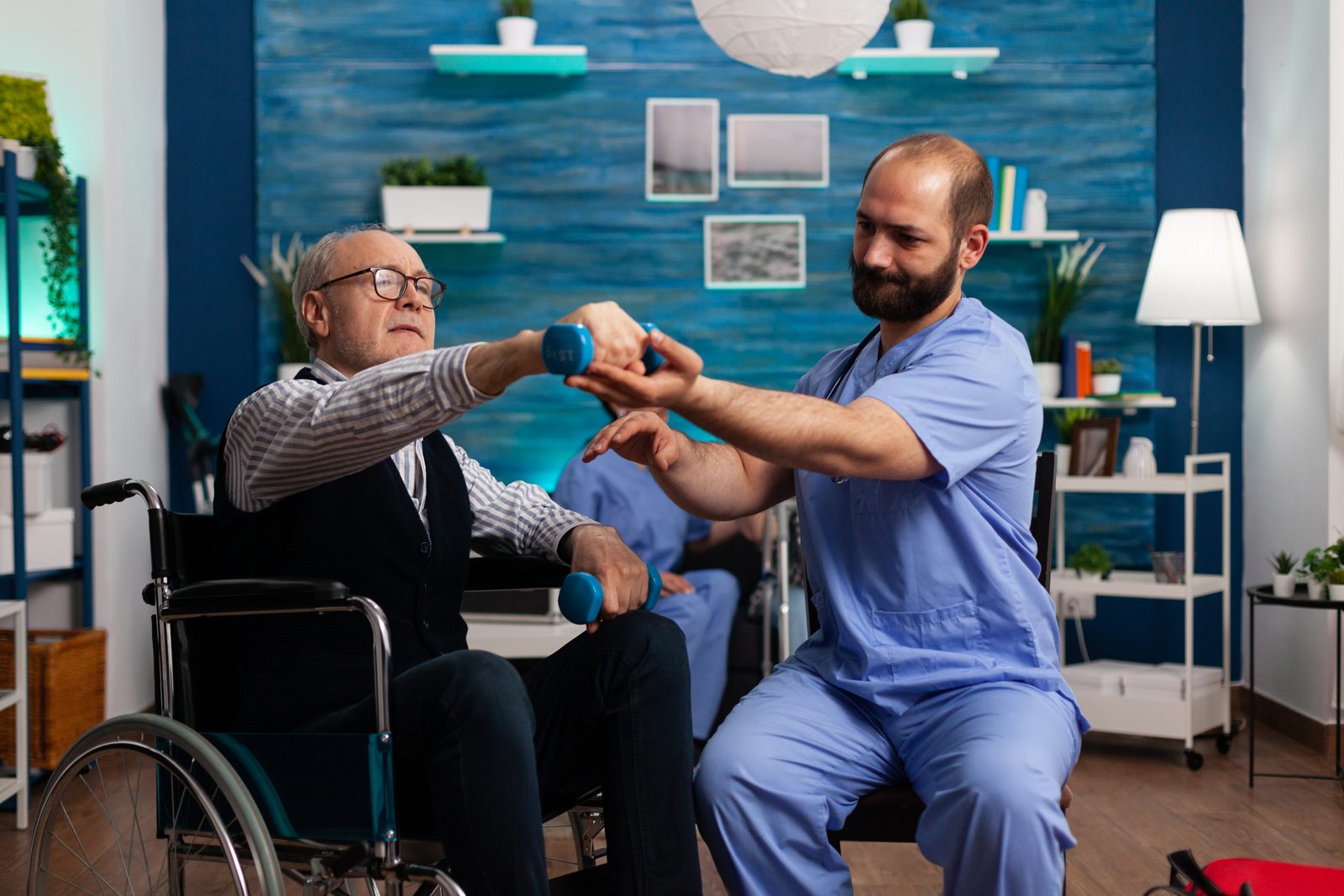
An Egyptian Doctor Restores Hope for Paralysis Cases

Hemiplegia requires modern methods of treatment and rehabilitation to obtain real results

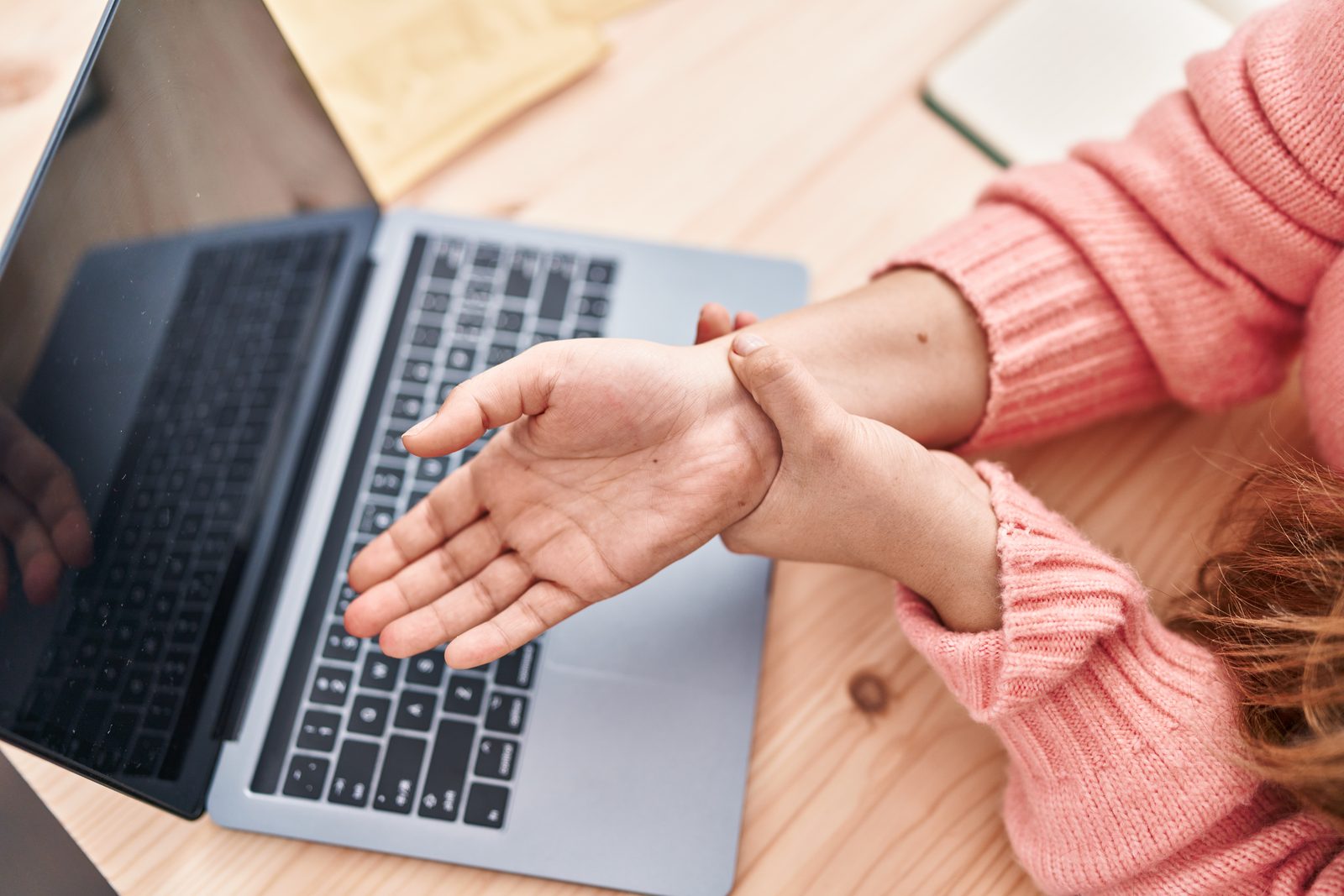
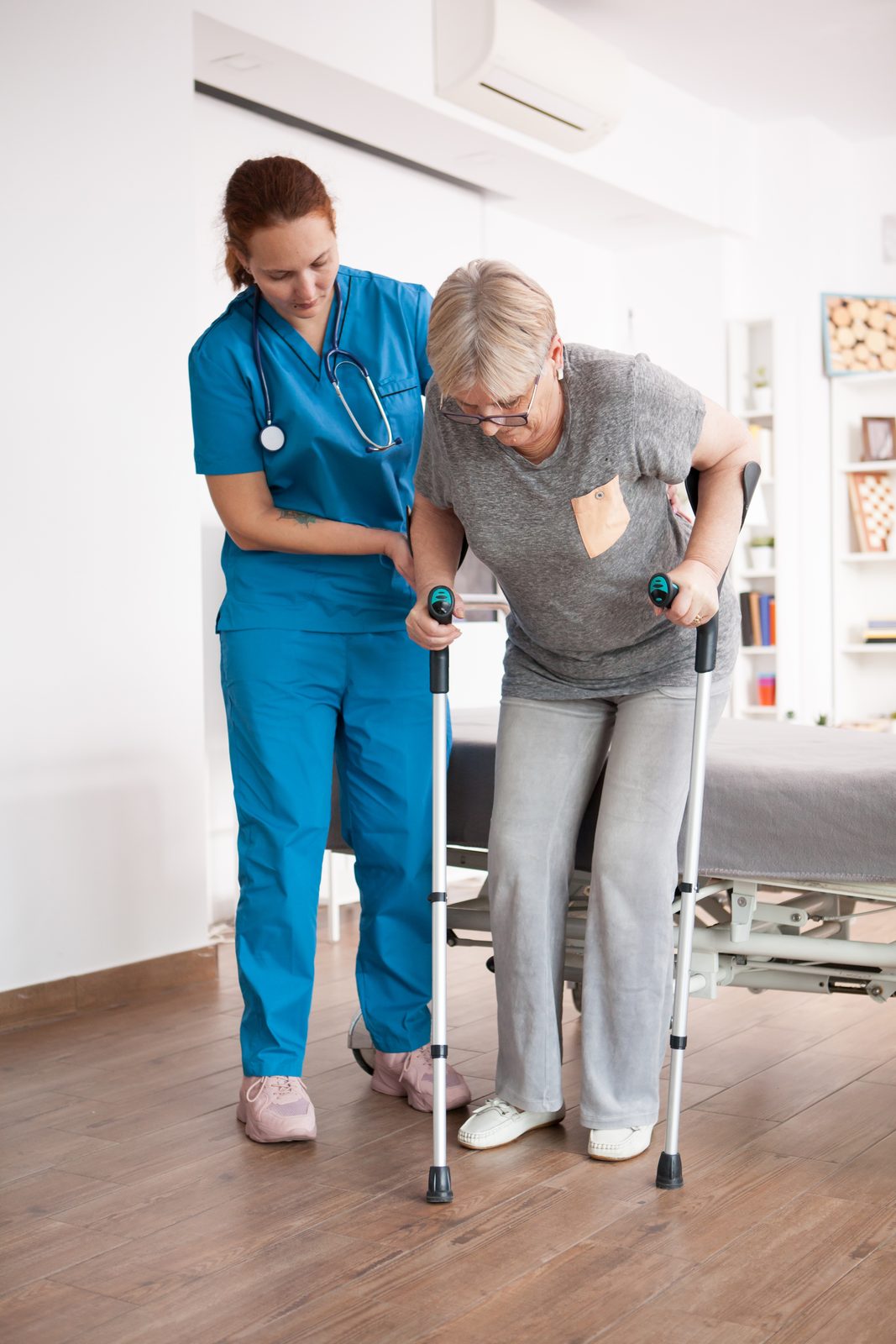
Paralysis is the inability of the muscles to move because of a disturbance in the nervous system. Paralysis causes muscle weakness and loss of the ability to control movement in a balanced way, and a functional disability occurs in hand movement and walking in patients with paralysis caused by neurological diseases.

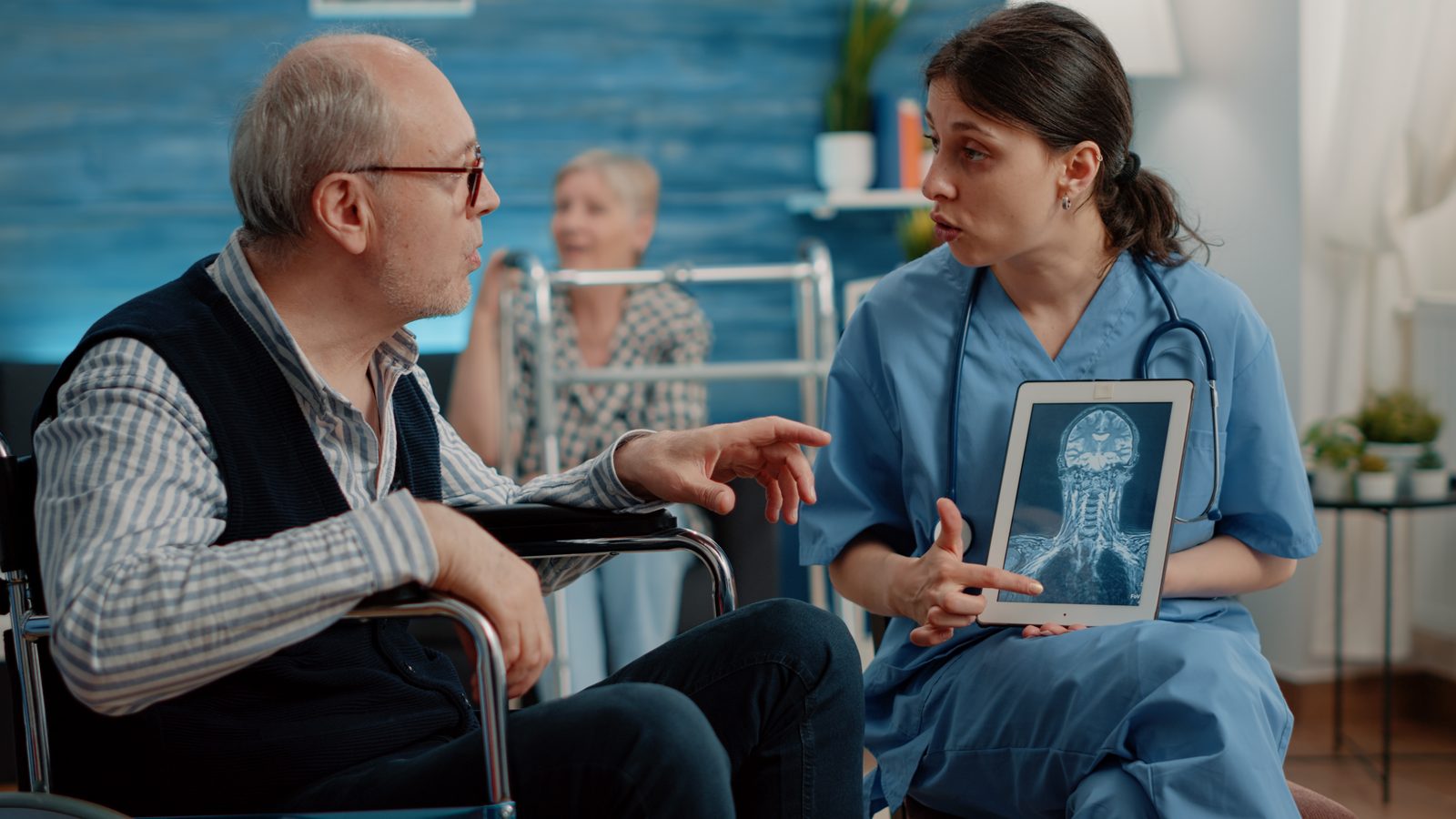
Prof. Dr. Shereen Fawaz, Professor of Neurological Rehabilitation at Ain Shams University, has long experience handling cases of hemiplegia, Parkinson’s disease and rehabilitating multiple sclerosis. Most of Dr. Shereen’s work is with intractable cases who had lost hope of further improvement to live normally; thanks to the modern techniques Dr. Shereen Fawaz uses, the lives of many patients have changed for the better.

Can a paralysis patient be cured?

One of the questions that most occupies the mind of a patient with neurological paralysis: can they be cured completely and return to living normally again?

Dr. Shereen Fawaz says:

“When we talk about neurological diseases, we are talking about improvement more than complete cure. What is the degree and quality of improvement the patient may reach? I always aim to bring my patients to functional improvement. By functional improvement I mean the degree of improvement that enables the patient to carry out their activities and work, and this is a big challenge that we may reach with difficulty with neurological rehabilitation.”

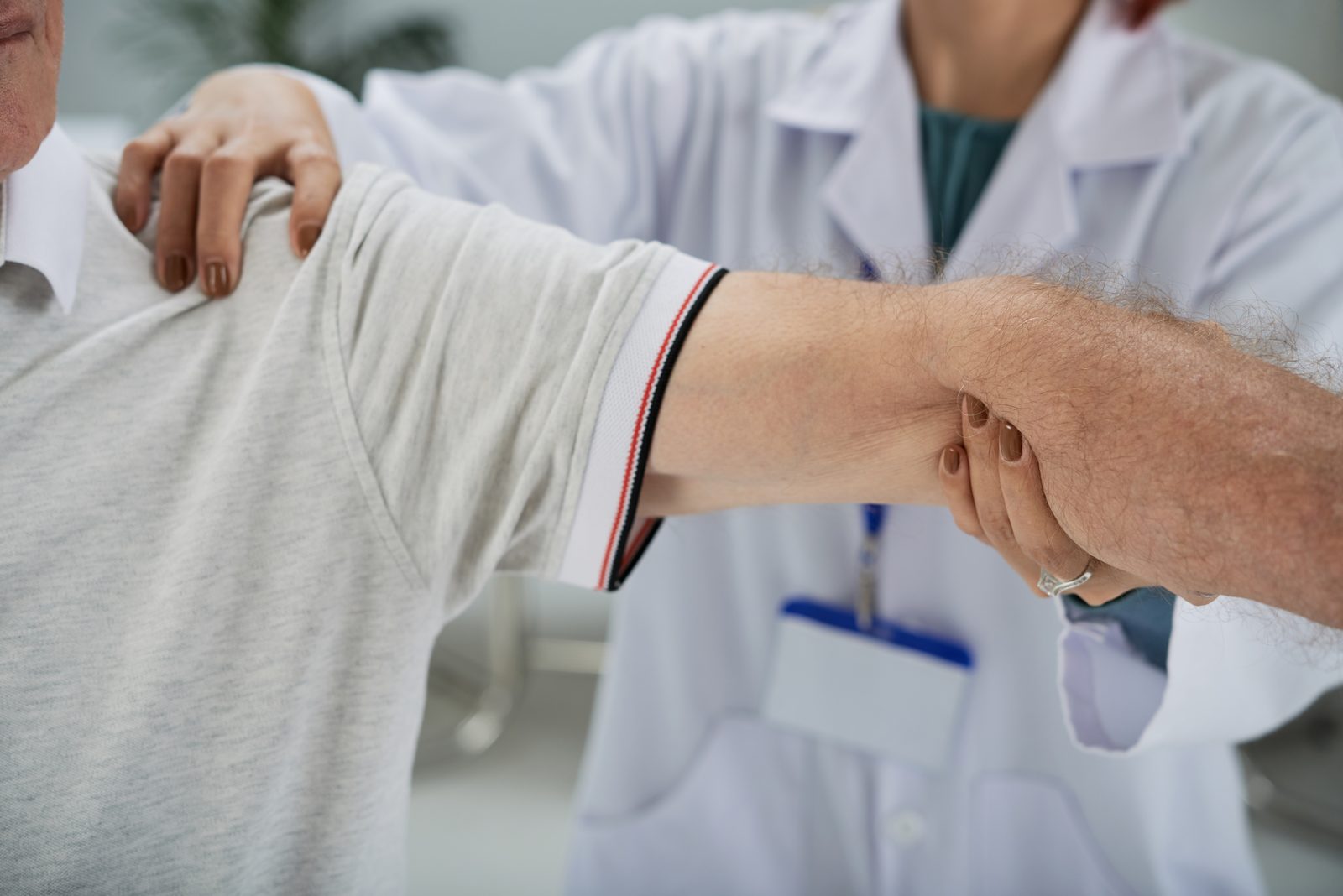
Dr. Shereen Fawaz uses the latest methods of rehabilitating neurological diseases at Dr. Shereen Fawaz’s clinic in Nasr City, methods that are available only in rehabilitation centers in developed countries, including:

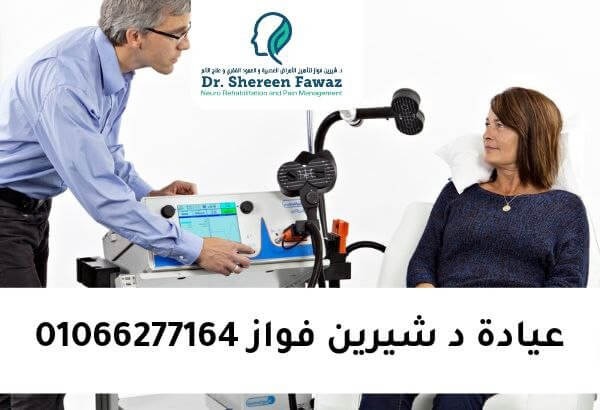
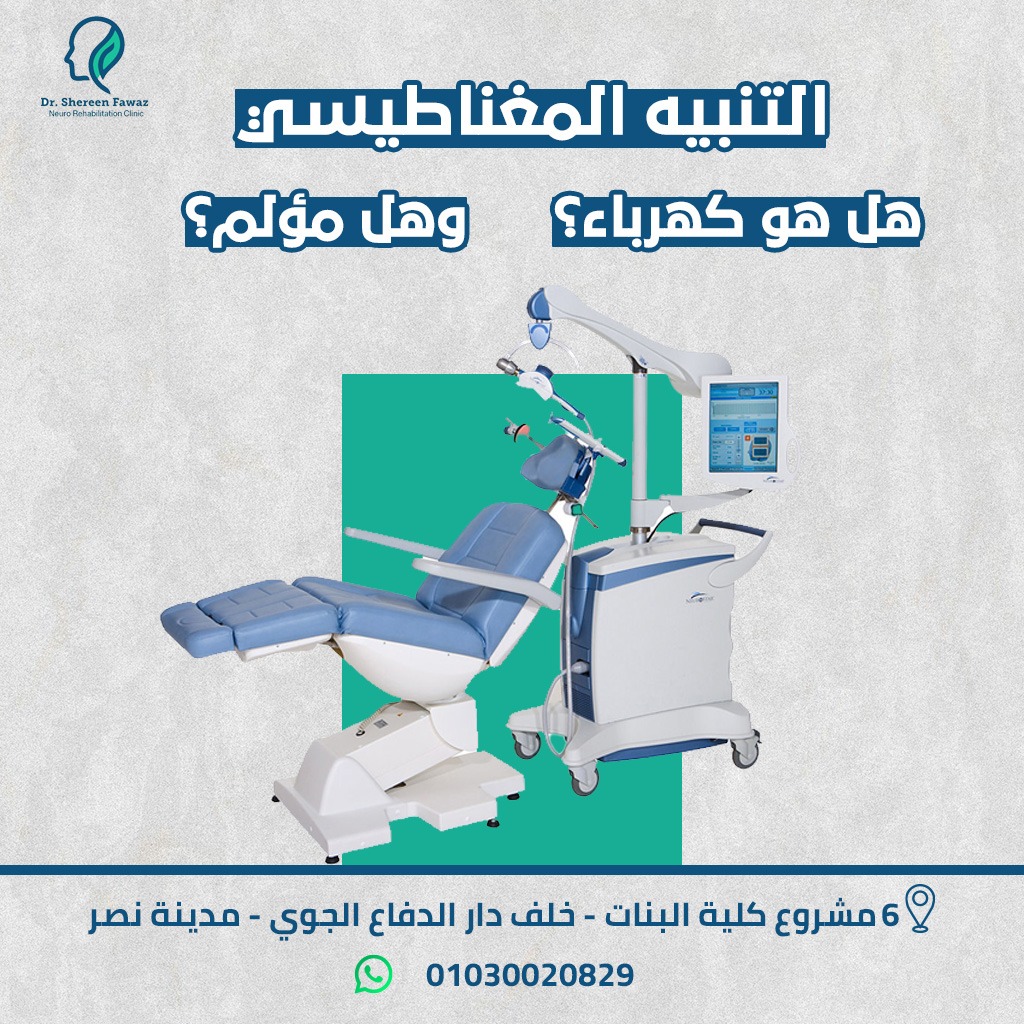
Transcranial magnetic stimulation device

The brain magnetic stimulation device gives hemiplegia and Parkinson’s patients a marked improvement in the level of motor performance, and helps improve the patient’s psychological state and acceptance of treatment.

Magnetic stimulation sessions benefit patients whose improvement has stopped and make the neurological rehabilitation program more effective.

Occupational therapy for the hand

Dr. Shereen Fawaz’s clinic has an occupational therapy unit. Occupational therapy helps restore fine hand movements after paralysis and enables the patient to carry out daily life activities such as eating and drinking, undoing buttons and combing hair using the affected hand.

Occupational therapy is a very important part of the patient regaining motor ability; a patient may regain muscle strength but cannot move functionally except with occupational therapy.

Robotic rehabilitation

The robot at Dr. Shereen Fawaz’s clinic helps rehabilitate the hand after paralysis through biofeedback, and also gives the patient confidence in regaining motor abilities.

When Magda Morsy’s condition improved after her hemiplegia and a long, difficult treatment journey, Magda became able to practice her work as an employee and was able to cook for her children almost normally after the neurological disease rehabilitation program.

Contact Dr. Shereen Fawaz's Clinic

  • All Posts
  • Uncategorized
Scroll to Top