Magnetic Stimulation of the Brain for Parkinson's Disease Patients

Magnetic stimulation of the brain is useful for Parkinson’s disease patients; it improves movement and reduces symptoms.

Parkinson’s disease is a neurological disease that occurs because of degeneration of the nerves of the body’s motor system. This effect results from a shortage in the production of dopamine. Parkinson’s disease causes tremor, stiffness, difficulty moving and loss of balance, and may also cause non-neurological symptoms such as constipation, sleep disturbance and difficulty speaking.

More than 10 million people live with Parkinson’s disease around the world, and the proportion increases with age.

Causes of Parkinson’s disease

The cause of Parkinson’s disease is not yet known, but it is believed that a mixture of environmental and genetic factors may be the cause. So far there is no cure for the disease, but some treatments may reduce its symptoms and improve the patient’s quality of life.

Some medications are prescribed for Parkinson’s patients to raise the level of dopamine or to change the effect of neurotransmitters.

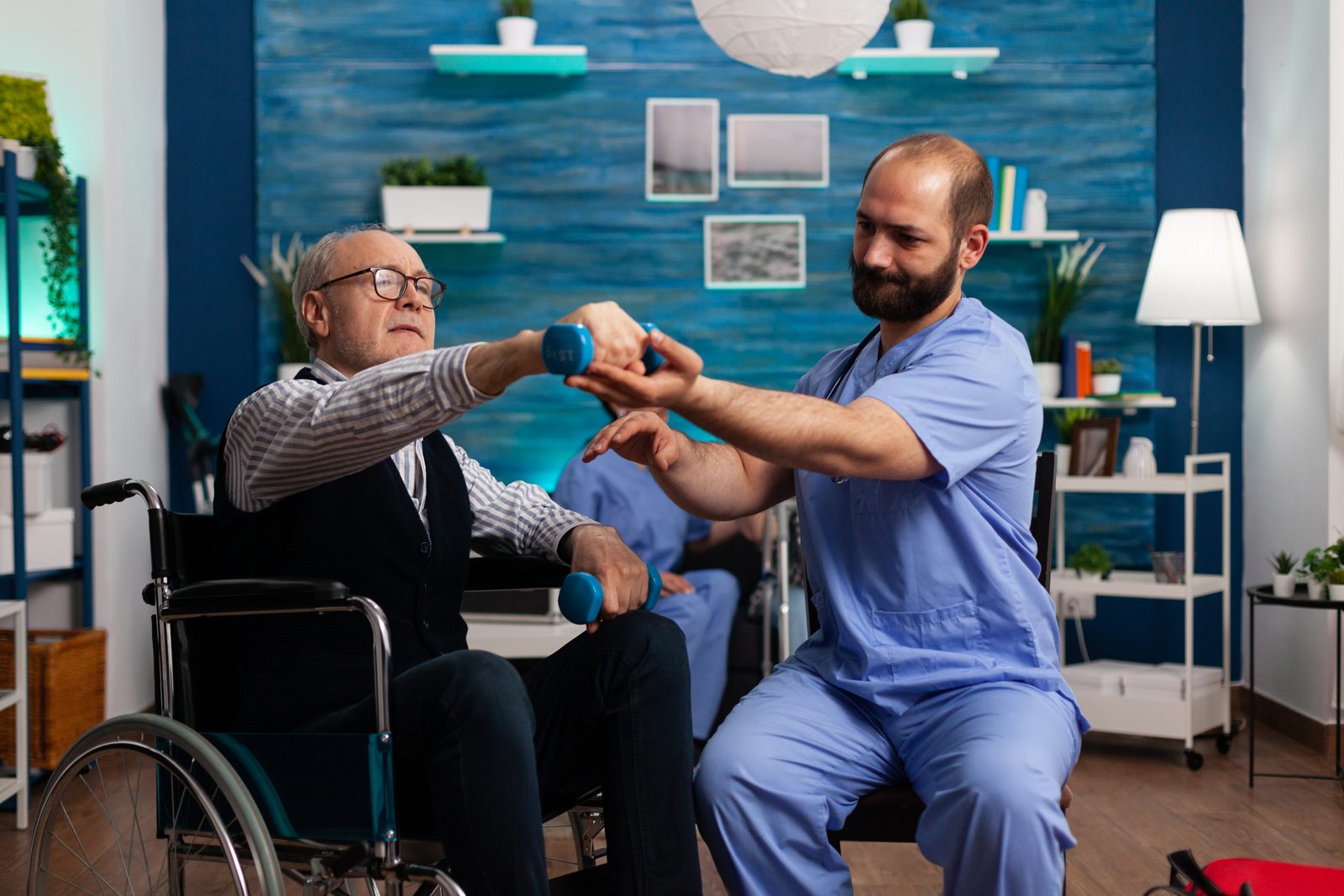
Neurological rehabilitation with physical therapy and occupational therapy helps reduce motor stiffness and improve balance and walking. Some studies recommend a combined program of therapeutic exercise and therapeutic nutrition to improve the quality of life of Parkinson’s patients.

Symptoms of Parkinson’s disease

Knowing and identifying the symptoms of Parkinson’s disease is very important for diagnosing and treating the disease at an early stage. Early symptoms of Parkinson’s include:

● Tremor, especially in the hands.

● Weak movement.

● Slowness of movement.

● Stiffness in the limbs and trunk.

● Loss of balance.

● Poor stability in postures.

In the early stage of the disease the symptoms are mild and cannot be noticed easily. The tremor often starts as light movements on one side of the body that increase when the patient is sitting at rest.

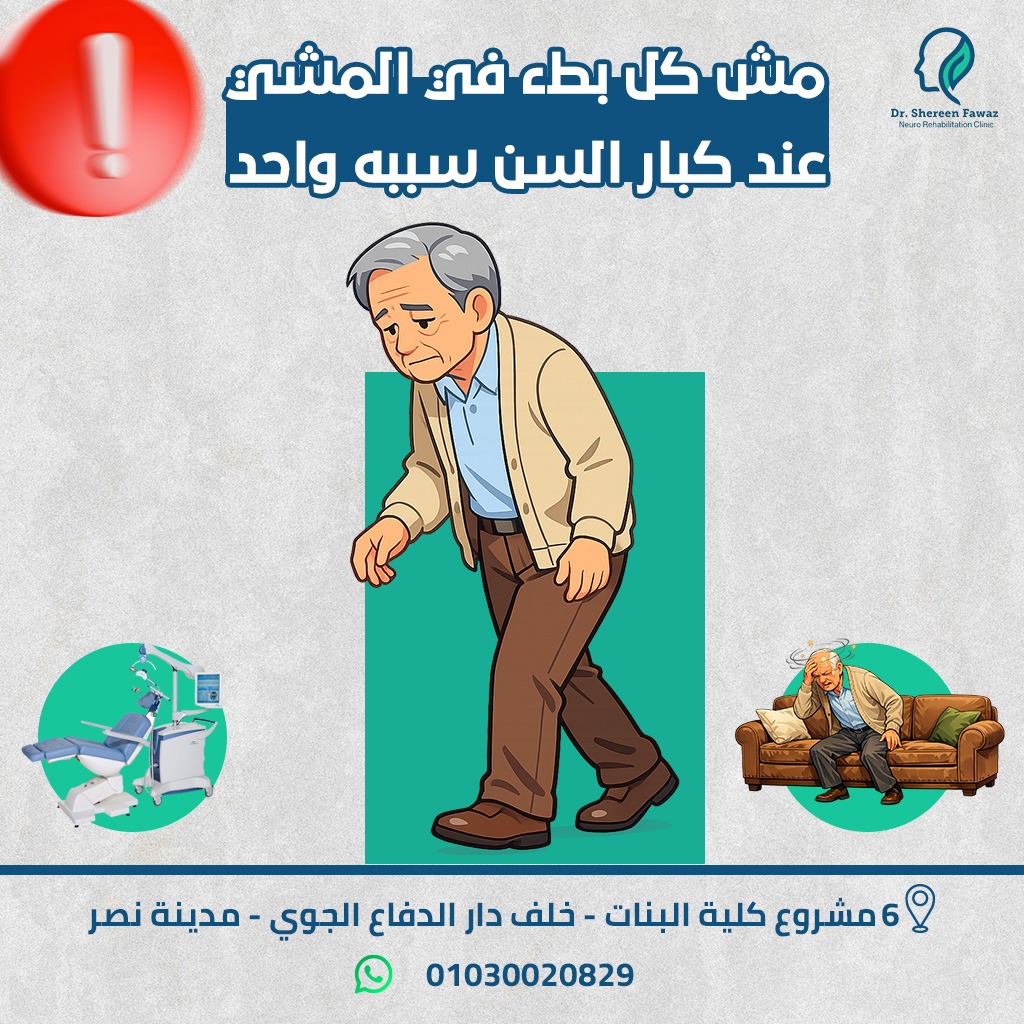
Slowness of movement begins to be noticed in Parkinson’s patients when arm movement decreases while walking, and the legs move with difficulty and the foot is lifted less while walking, in what is known as a shuffling gait.

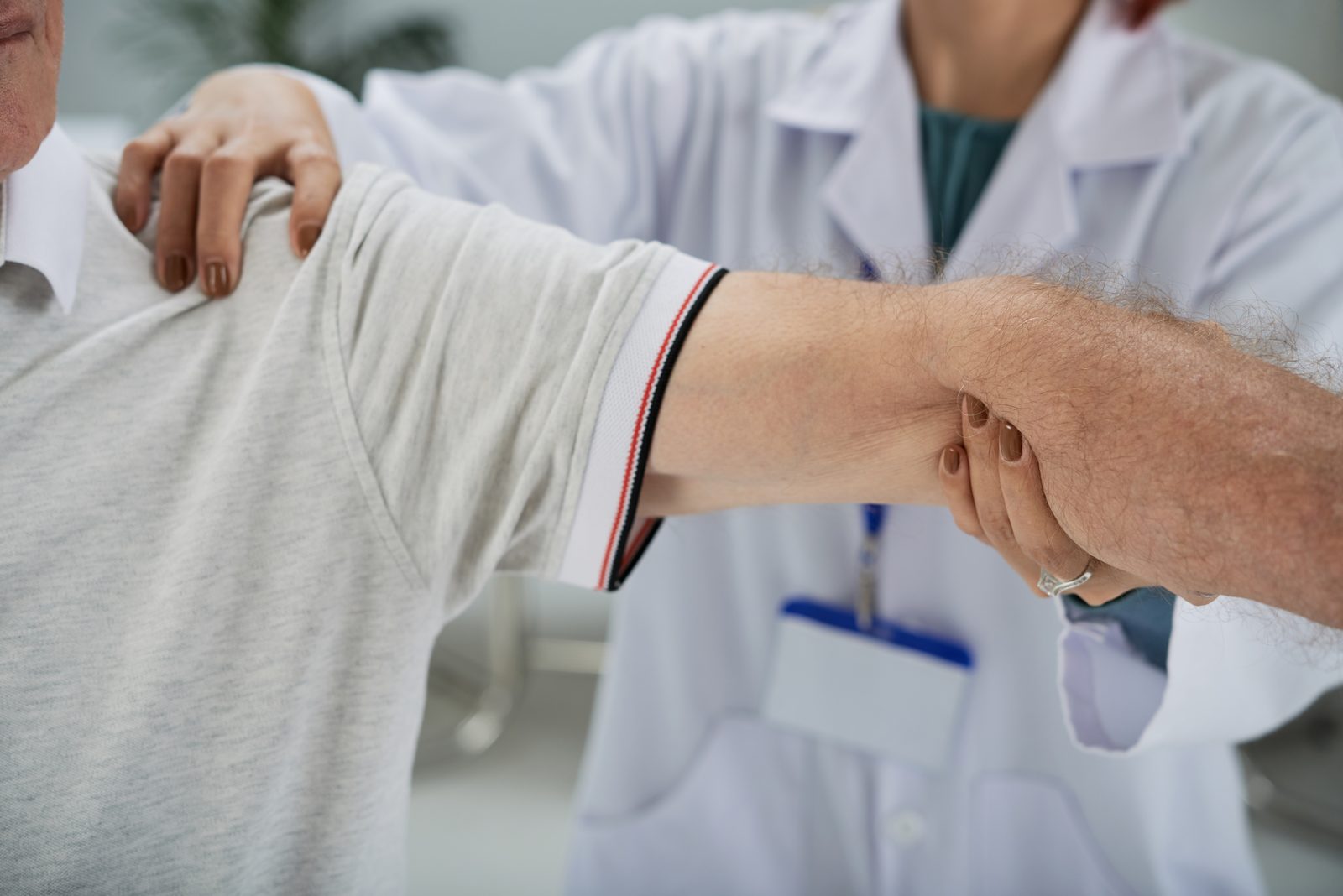
Motor stiffness affects the movements of the arms and legs, leading to a reduced range of motion during movement and walking, which gradually leads to a feeling of muscle pain and less comfort while walking.

Instability in postures such as sitting and standing gradually increases as the disease progresses, and it becomes a difficult challenge for the patient to stand steadily; the patient gradually tends not to prefer sitting without support.

The truth is that knowing and diagnosing Parkinson’s disease is very important so that the symptoms can be controlled and the patient’s quality of life improved. If you see the symptoms mentioned in this article in one of your loved ones or relatives, you should advise them to consult a specialist doctor for diagnosis and treatment at an early stage.

Although Parkinson’s disease has no final cure, early intervention with medication, therapeutic exercises, and medical procedures such as brain magnetic stimulation device sessions leads to improving the patient’s life and maintaining their motor abilities in the best way possible.

Magnetic stimulation of the brain for Parkinson’s patients

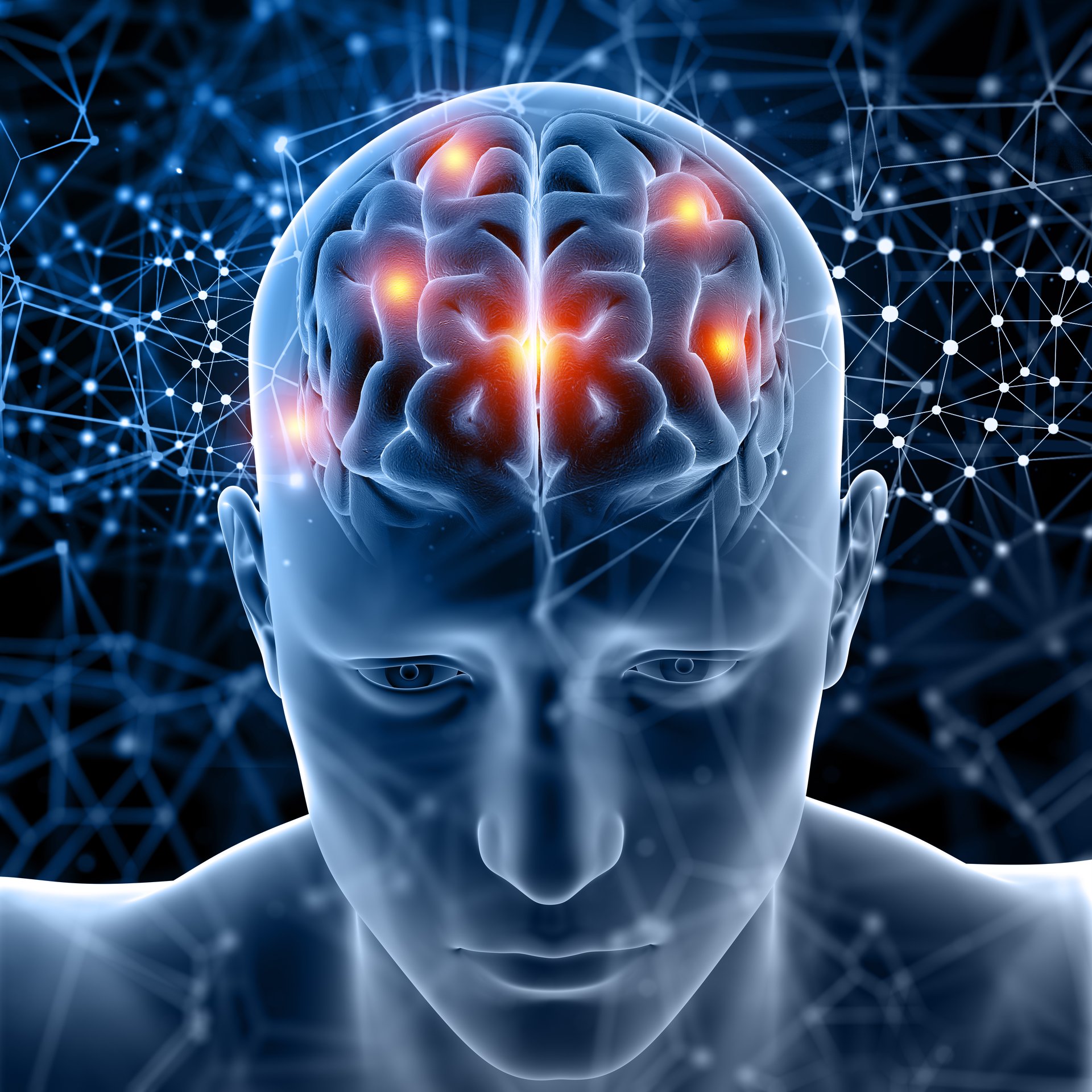
The brain magnetic stimulation device is considered a new and promising technique in treating Parkinson’s patients, and we discussed it on Molhem. This non-invasive device directs focused magnetic waves at specific areas of the brain, and the magnetic waves improve the response of the areas of the brain responsible for movement.

Treatment in this way reduces Parkinson’s symptoms; magnetic stimulation reduces hand tremor, improves balance and movement in patients, also improves quality of life and makes patients more independent.

The truth is that the brain magnetic stimulation device is a new technique in treating Parkinson’s disease, but many studies have confirmed its effectiveness as a treatment that improves Parkinson’s cases.

Treatment with the magnetic stimulation device is done by directing magnetic waves at the areas of the brain responsible for movement; the device acts as a kind of restart of motor functions in Parkinson’s patients.

Research is still continuing to discover the best way to apply the TMS device to Parkinson’s patients.

Prof. Dr. Shereen Fawaz, Professor of Physical Medicine at Ain Shams University, says:

“The magnetic stimulation device is a promising non-surgical treatment for cases of Parkinson’s disease and multiple sclerosis; it has shown excellent improvement in rehabilitating neurological diseases that affect movement.” – Dr. Shereen Fawaz

Types of magnetic stimulation for treating Parkinson’s disease

Repetitive magnetic stimulation (rTMS) is the most widely used type in treating Parkinson’s disease. Repetitive magnetic stimulation uses magnetic waves to produce a small electric current that is directed at areas of the brain.

Stimulating the motor areas in the cerebral cortex and the areas adjacent to them improves motor abilities in nerve patients such as those with Parkinson’s disease, multiple sclerosis and hemiplegia. Repetitive magnetic stimulation produces clear improvement in movement and helps greatly in the nerve rehabilitation program.

How does magnetic stimulation of the brain affect Parkinson’s patients?

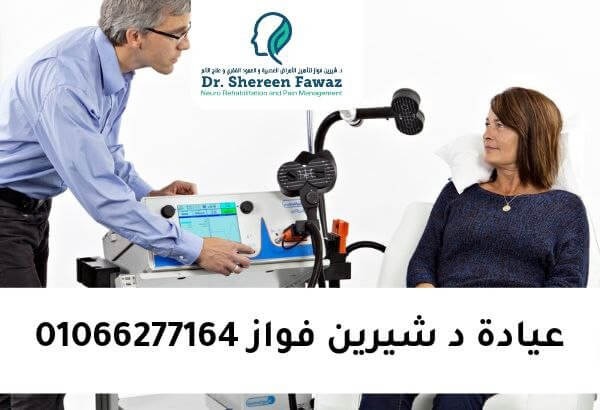
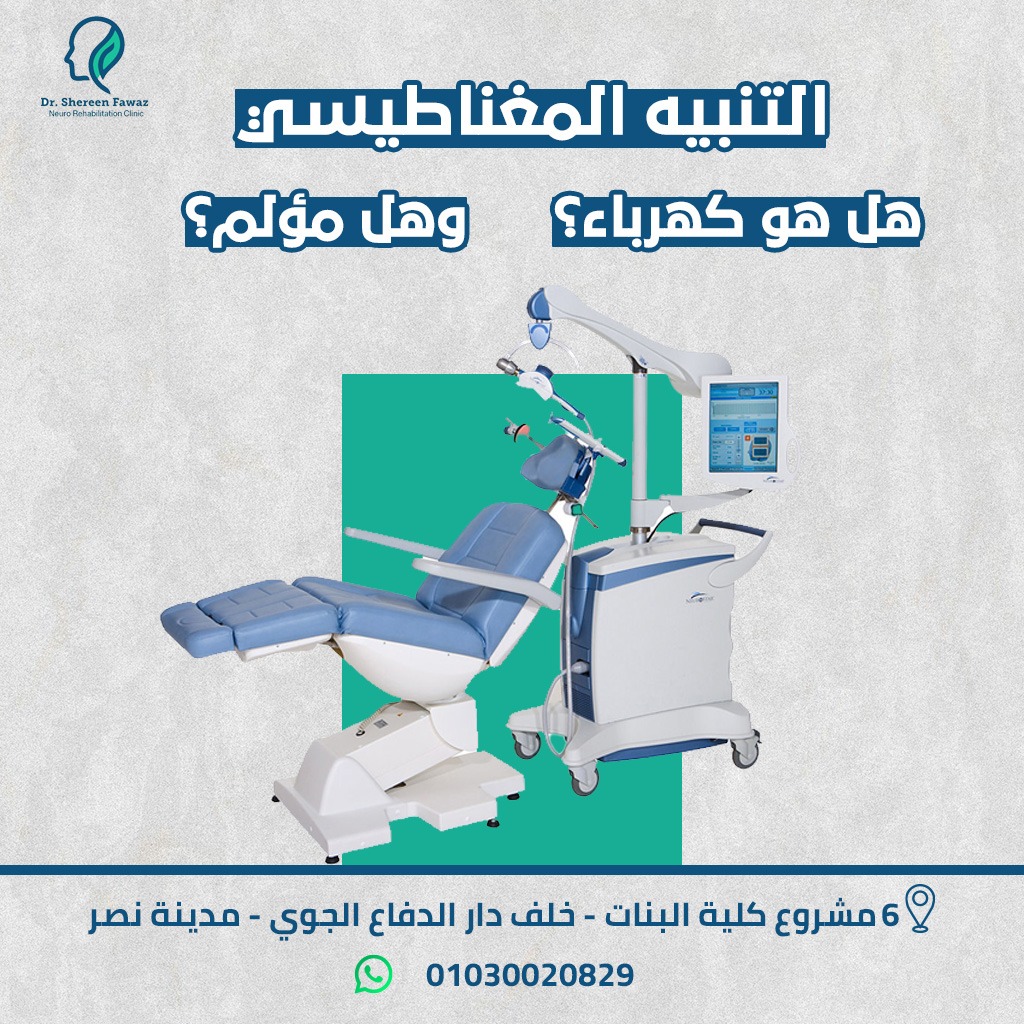
Magnetic stimulation of the brain happens through a coil that contains a magnetic field in the brain magnetic stimulation device; this coil is directed to produce a pulse of magnetic waves in a particular area of the brain. The magnetic stimulation session takes place while the patient sits in a comfortable position on an adjustable bed, with the device’s shield directly above the patient’s head in the right place.

After the session the patient can move normally and can go home, even driving, without problems. Most often the patient does not feel any side effect after the session, but if the patient feels dizzy or has blurred vision, they should contact Dr. Shereen Fawaz’s clinic immediately.

Brain magnetic stimulation at Dr. Shereen Fawaz’s clinic

The use of brain magnetic stimulation in Egypt is a new and promising technique for rehabilitating neurological diseases such as Parkinson’s disease, hemiplegia and multiple sclerosis.

Dr. Shereen Fawaz, Professor of Physical Medicine and Neurological Rehabilitation, is a pioneer in using brain magnetic stimulation for nerve rehabilitation; many cases have shown unexpected improvement with this technique.

Before the patient’s first session, Dr. Shereen Fawaz determines the number of sessions the patient needs and the dose suited to the patient’s condition, and also determines the areas on which the magnetic stimulation of the brain will be applied.

Most often magnetic stimulation is part of a rehabilitation plan for the Parkinson’s patient, which may also include:

● Improving balance.

● Injections into stiff muscles.

● Joint injections.

● Robotic hand rehabilitation.

● Occupational therapy.

● Physical therapy.

Dr. Shereen Fawaz, Professor of Neurological Rehabilitation at Ain Shams University, says:

“Neurological rehabilitation is an integrated strategy that ensures the best results and the best motor ability for nerve patients to carry out their activities without depending on others. I consider the magnetic stimulation device a great addition to the nerve rehabilitation program.” – Dr. Shereen Fawaz

Conclusion

The magnetic stimulation device is a promising and effective technique in treating Parkinson’s disease; a Parkinson’s patient should ask their doctor about benefiting from this technique.

Contact Dr. Shereen Fawaz's Clinic

  • All Posts
  • Uncategorized
Scroll to Top