Multiple Sclerosis (MS)
Symptoms, Causes and Rehabilitation Options

What is multiple sclerosis?

Multiple sclerosis (MS) is a chronic autoimmune disease in which the immune system attacks the protective sheath of the nerves (myelin), affecting communication between the brain and the rest of the body. Over time this may lead to permanent damage to the nerve fibers, resulting in problems with cognition, movement and balance.

Why is multiple sclerosis considered serious?

Because it most often affects people between 20 and 40 years of age, the most productive and active period of life. The disease affects the nervous system directly, leading to:

  • Weak movement and poor control of the limbs

  • Loss of balance

  • Problems with cognition and neural coordination
    And as the condition progresses, simple daily activities such as walking or doing usual tasks may become a real challenge.

Early symptoms of multiple sclerosis

Among the most prominent symptoms that may appear in the early stages:

  • Repeated falls for no clear reason

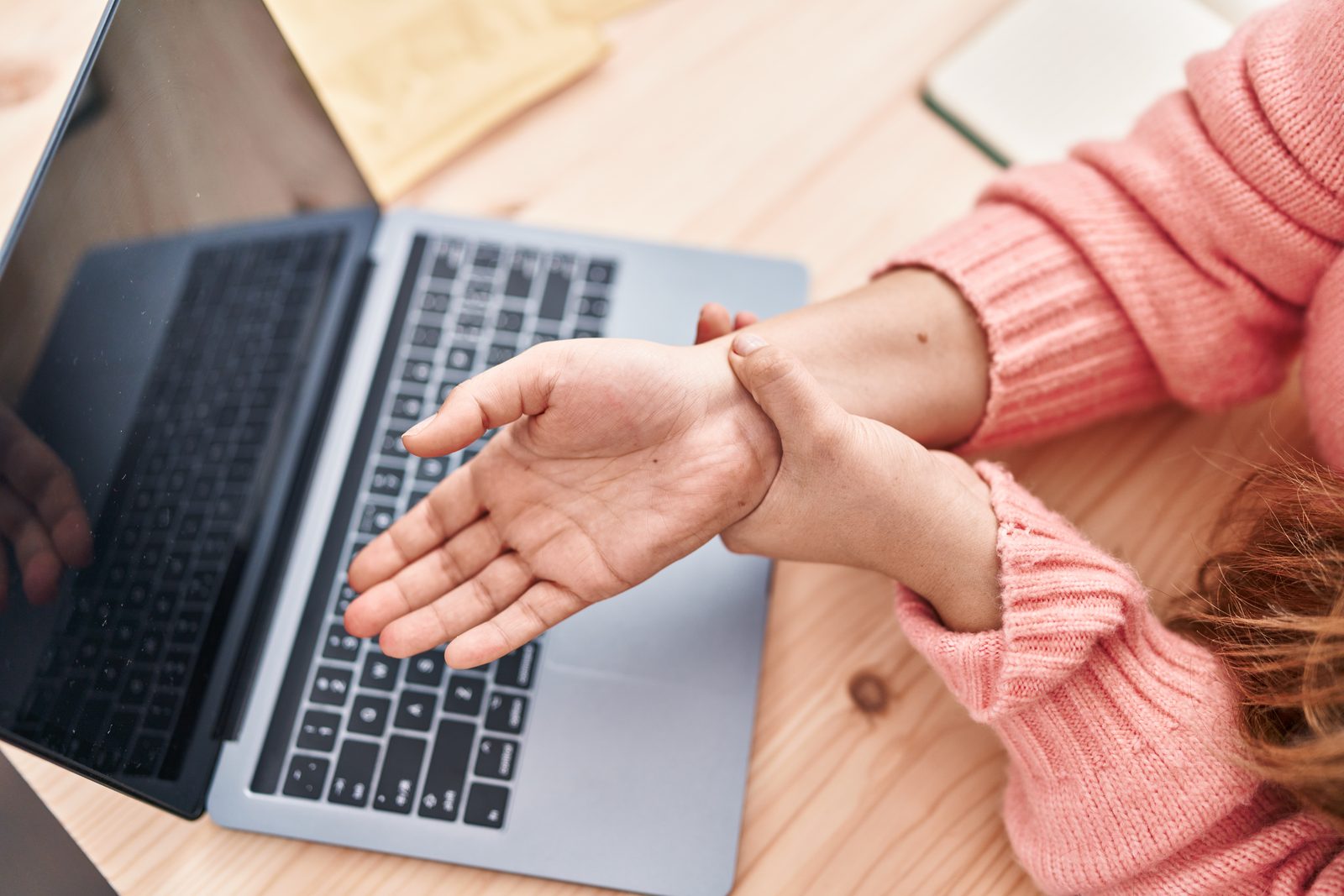
  • Numbness or weakness in one of the limbs

  • Loss of balance while moving

  • Double or blurred vision

  • Sudden muscle stiffness or spasms

  • Poor control of the upper or lower limbs

  • Persistent unexplained physical fatigue

Possible complications if treatment is neglected

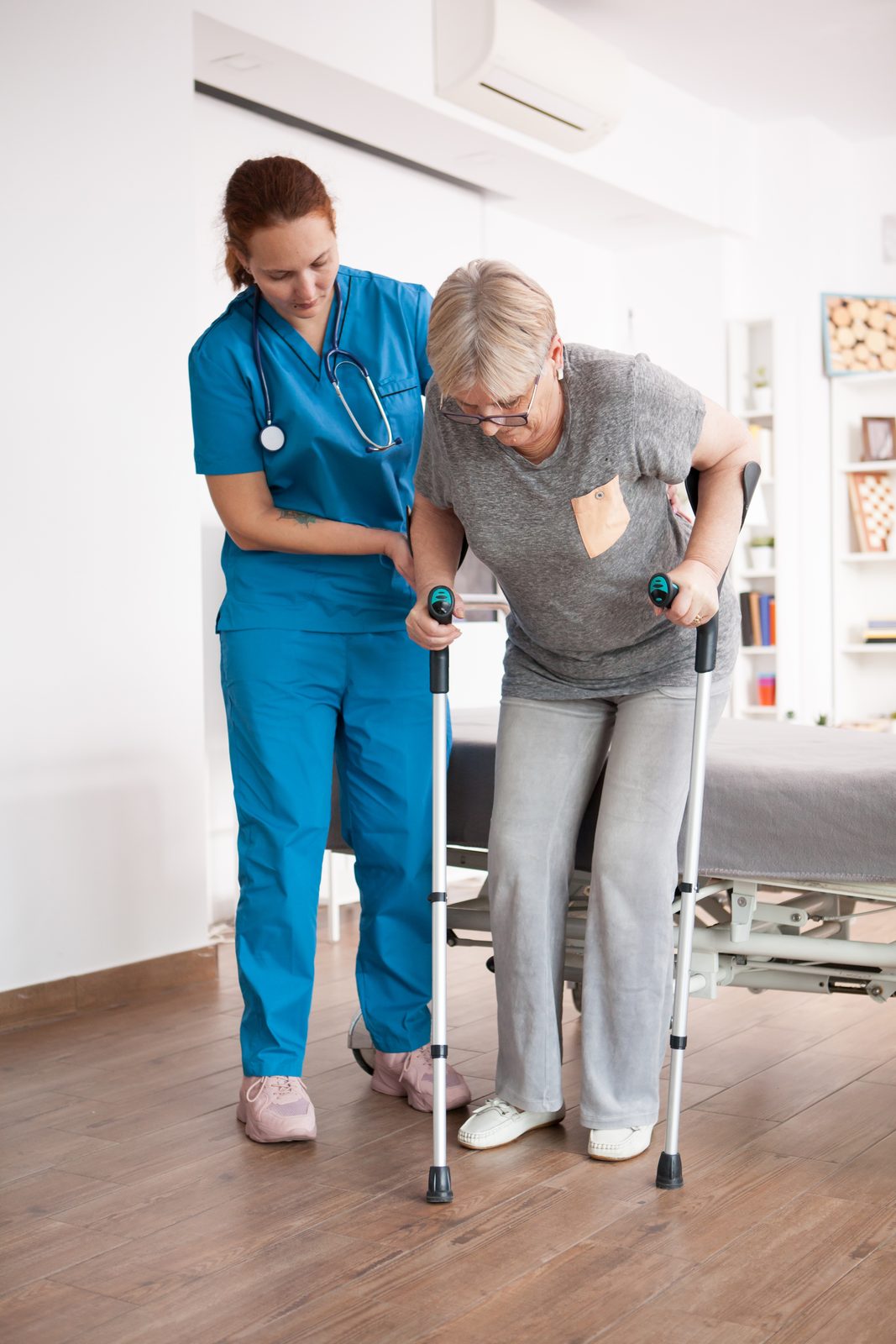
  • Difficulty walking or needing walking aids

  • Loss of control of fine movements

  • Impaired eye-hand coordination

  • Increased risk of fractures from repeated falls

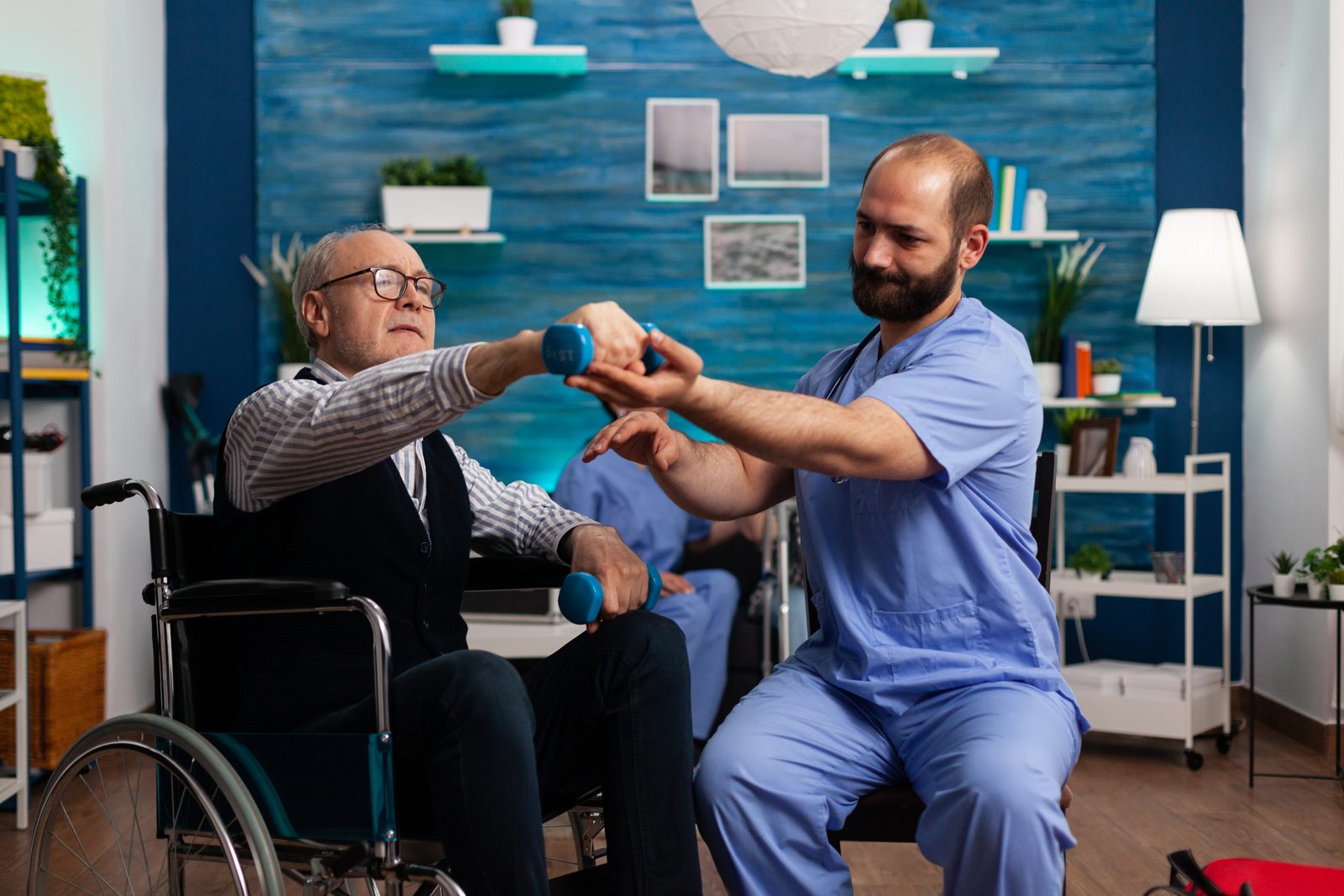
The role of neurological and motor rehabilitation in treating multiple sclerosis

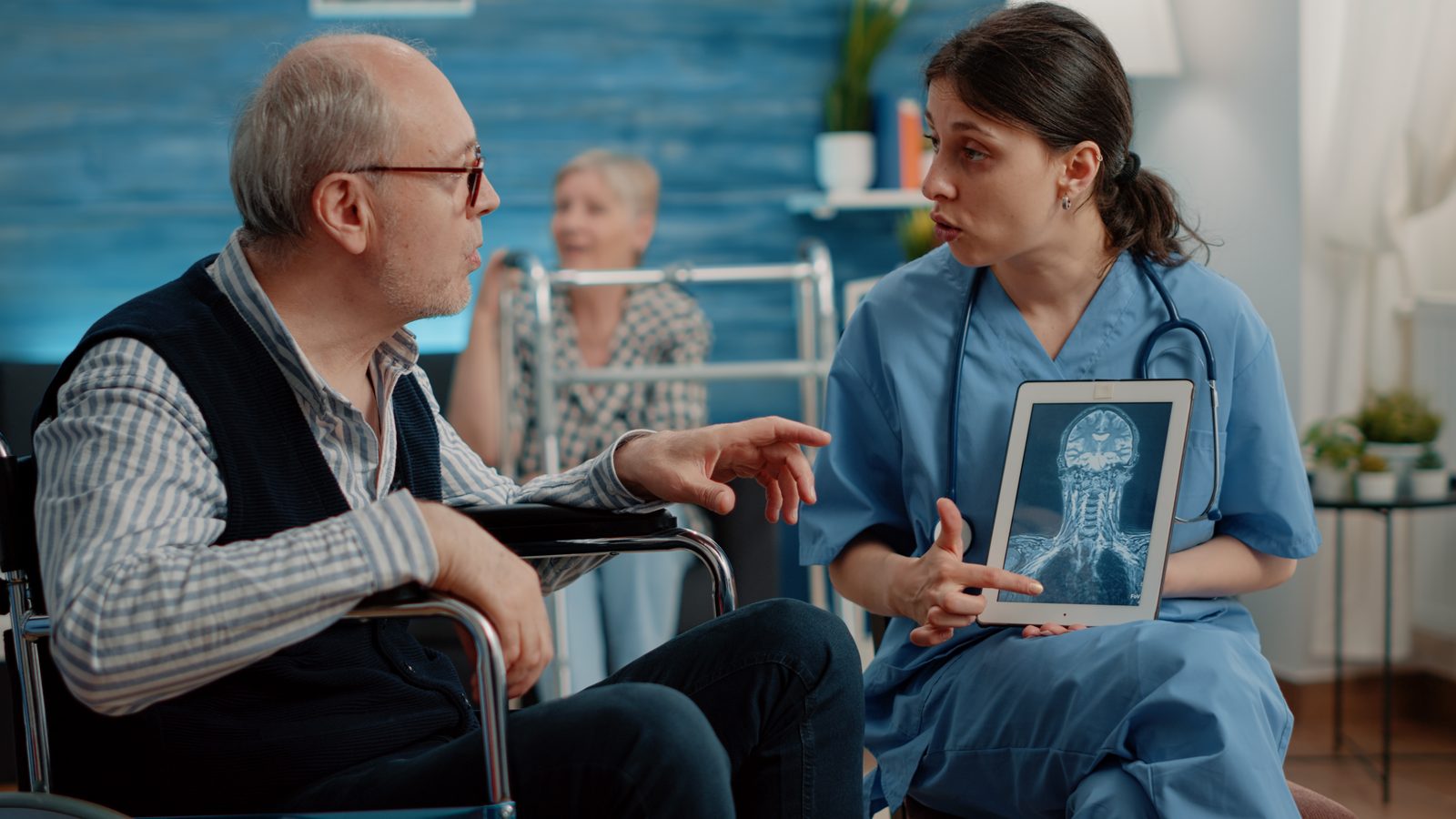
At Dr. Shereen Fawaz’s clinic for neurological and motor rehabilitation, specialized treatment programs are offered that aim to:

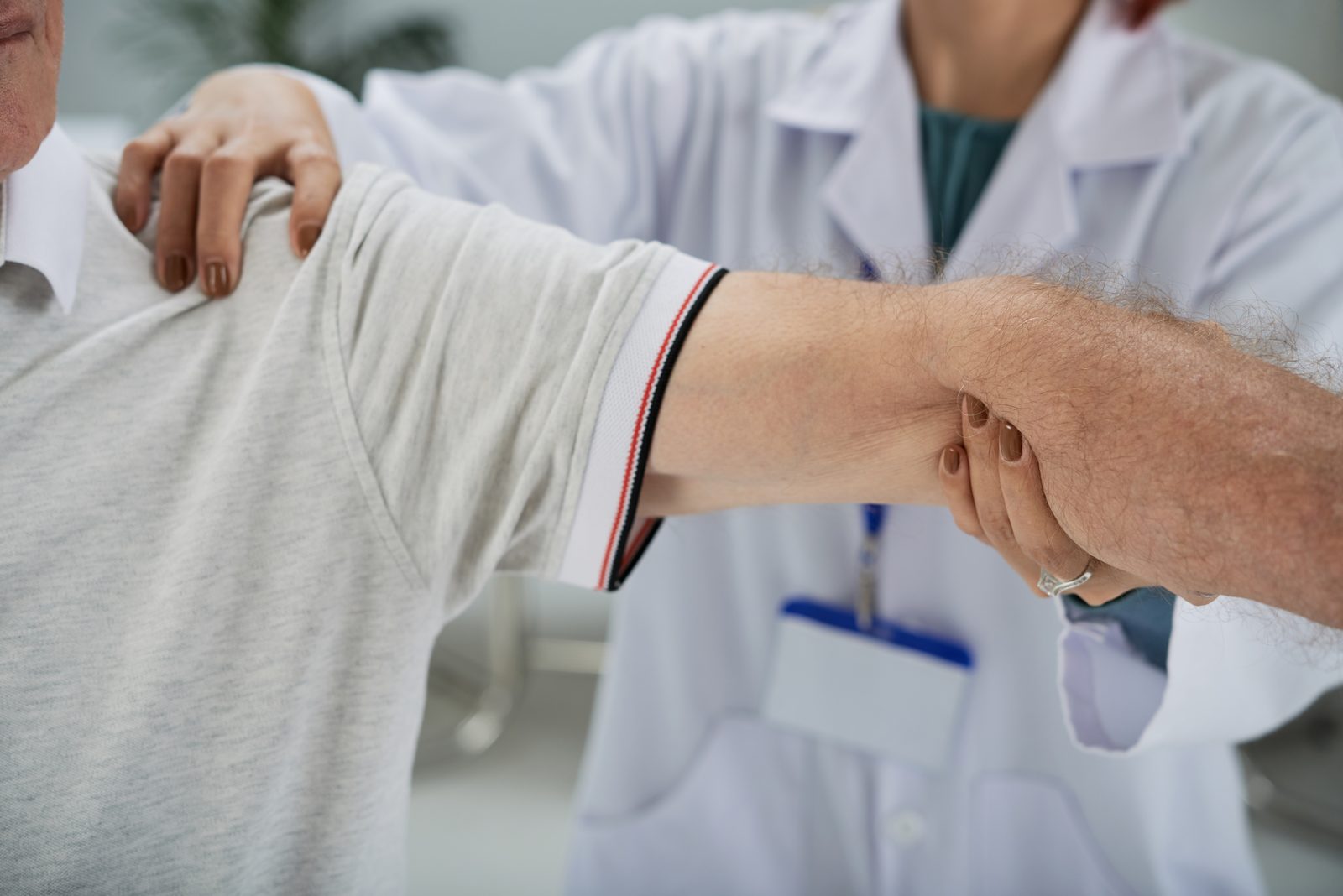
  • Strengthen the nerves and muscles

  • Improve balance to prevent falls

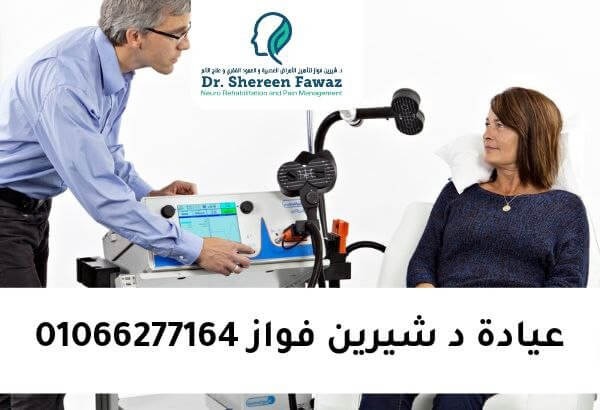
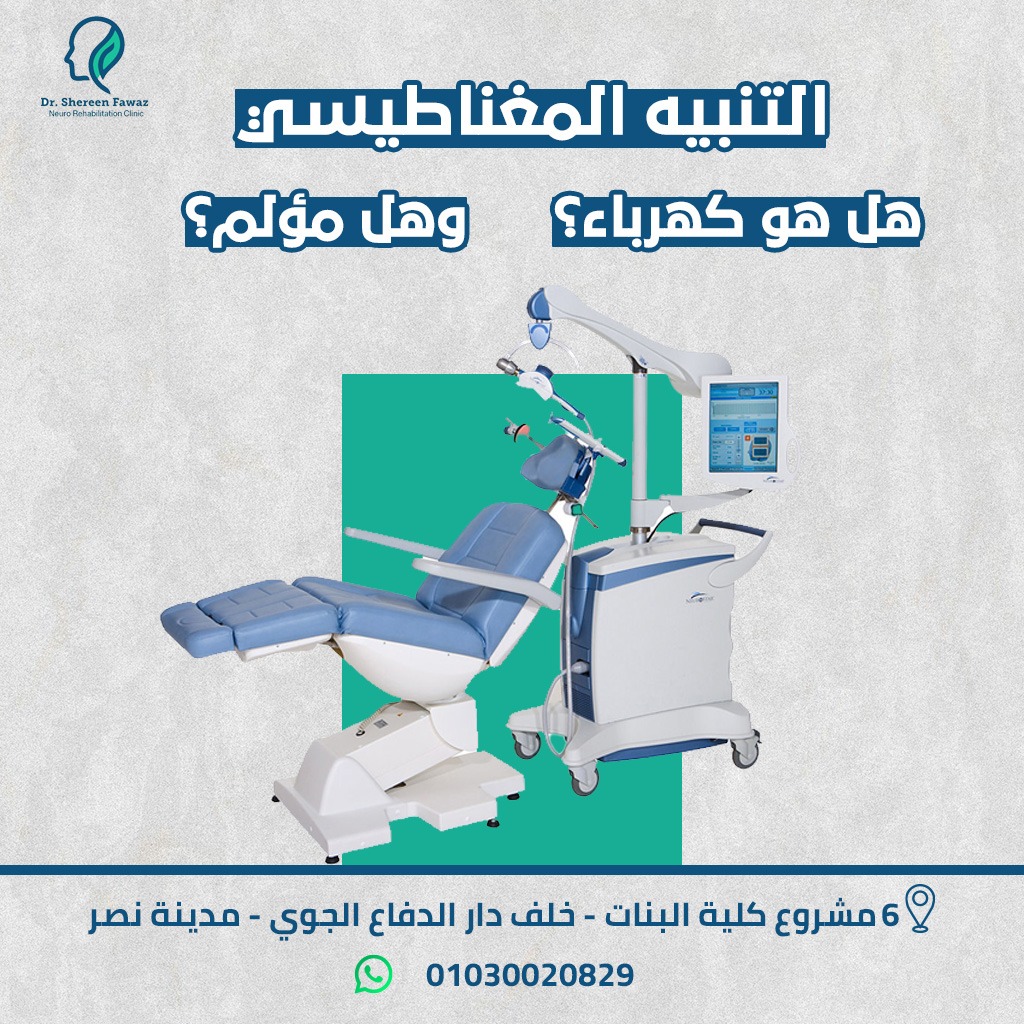
  • Use TMS (magnetic stimulation of the brain) to activate neural signals

  • Physical therapy and rehabilitation sessions using advanced devices such as FES

  • Design a comprehensive treatment plan that suits each patient’s condition

The goal of treatment

To return the patient to their normal life as far as possible, improve their ability to move, and prevent complications that may develop over time.

Contact Dr. Shereen Fawaz's Clinic

  • All Posts
  • Uncategorized
Scroll to Top